How to Inspect a Used Vehicle Before Purchase: A Complete Checklist
Use this used car inspection checklist to evaluate any vehicle before buying. Practical 2026 tips from Nissan of Everett to help Everett buyers shop with confidence.
How to Inspect a Used Vehicle Before Purchase: A Complete Checklist
Buying a used car can be one of the smartest financial moves you make — or one of the most stressful, if you skip the inspection. The difference usually comes down to how thoroughly you evaluate the vehicle before signing anything. A solid pre-purchase inspection catches problems that photos don't show, histories don't reveal, and sellers don't volunteer.
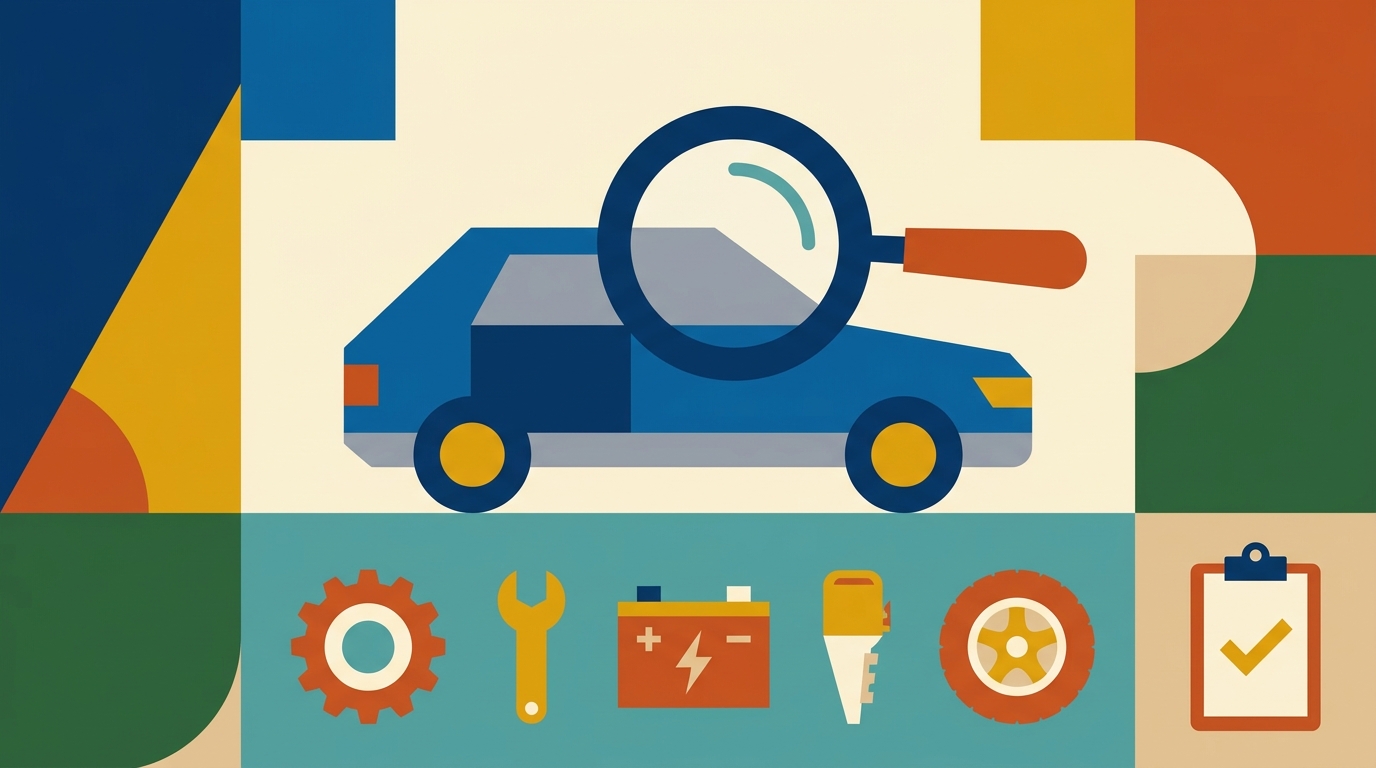
This guide walks you through a practical used car inspection checklist, organized so you can work through it systematically — whether you're at a dealership lot in Everett or previewing a private sale. No special tools required for most of it. Just attention and a willingness to slow down.
Before You Even See the Car: Do Your Homework
A vehicle condition check starts before you show up in person. Gather as much documented history as possible first.
- Run a vehicle history report. Services like Carfax or AutoCheck pull accident records, title issues, odometer rollbacks, and ownership history using the VIN. This won't catch everything, but it's a necessary baseline.
- Verify the VIN matches. When you arrive, confirm the VIN on the dashboard, door jamb, and title all match the report you pulled.
- Check for open recalls. Use the NHTSA database at nhtsa.gov. Unresolved recalls are a legitimate negotiating point and a safety concern.
- Research the model's known issues. Forums, owner communities, and reliability data for the specific make and model year will tell you what to look for before you even open the hood.
Exterior Inspection: What the Body Tells You
Walk around the entire vehicle slowly. The exterior reveals a lot about how a car was maintained — and whether it's been in any significant accidents.
Paint and Body Panels
- Look for uneven paint texture, color mismatches, or overspray on rubber trim and plastic edges. These are signs of previous body work.
- Crouch down and sight along each panel. Ripples or waves often mean filler was used after a collision.
- Check that panel gaps — between the hood, doors, fenders, and trunk — are even on both sides. Inconsistent gaps suggest the car may have been in an accident and reassembled.
- Look for rust, particularly around wheel wells, the underside of doors, and the rocker panels below the doors.
Glass and Lights
- Inspect the windshield for cracks or chips. A small chip can spread — and replacement costs vary widely depending on the vehicle.
- Check all exterior lights: headlights, taillights, turn signals, and brake lights. Condensation inside a lens housing signals a broken seal.
Tires
- Check tread depth and wear patterns. Uneven wear — more on one edge than the other — often indicates alignment or suspension problems.
- Confirm all four tires are the same brand and size. Mismatched tires can suggest deferred maintenance.
Under the Hood: Engine and Mechanical Basics
You don't need to be a mechanic to spot red flags under the hood. You just need to know what looks normal and what doesn't.
- Check fluid levels and condition. Oil should be amber to dark brown — not black or gritty. Milky or foamy oil can indicate coolant contamination, which is serious. Coolant should be clear or tinted, not rusty or cloudy.
- Look for leaks. Fresh oil residue, wet spots on hoses, or staining on the engine block or below the car warrant attention.
- Inspect belts and hoses. Cracks, fraying, or soft/spongy hoses are signs of wear. Ask when belts were last replaced.
- Check the battery. Look for corrosion on terminals. Ask about battery age if it's not labeled.
- Examine the air filter. A clogged filter is a minor fix, but it's also a quick indicator of how attentive the previous owner was about maintenance.
Interior Inspection: Comfort, Function, and Clues
The interior tells you how the vehicle was lived in. A clean exterior with a worn, damaged interior is a common mismatch worth noting.
- Check seat upholstery for tears, stains, and unusual odors. Musty smells can indicate water intrusion.
- Test every button, knob, and switch: windows, mirrors, climate controls, heated seats, and audio system.
- Inspect the headliner for water stains, which often appear as brown rings.
- Test the infotainment system and Bluetooth pairing.
- Check the trunk or cargo area for water damage, and verify the spare tire and jack are present.
- Look at carpet edges and under floor mats for moisture or rust on the floor pan — this matters in the Pacific Northwest, where Everett's wet climate accelerates interior moisture issues.
The Test Drive: What to Listen and Feel For
A test drive is non-negotiable. Drive it on city streets and highway speeds if possible, and pay attention throughout.
- Cold start. Start the engine cold if you can. Rough idling, excessive smoke, or hesitation on startup are worth noting.
- Acceleration and transmission. The car should accelerate smoothly. Hesitation, slipping, or hard shifts in an automatic transmission are warning signs.
- Braking. Apply brakes firmly at a safe location. Pulling to one side, grinding, or pulsing through the pedal indicates potential brake issues.
- Steering. The wheel should feel centered and responsive. Vibration or pulling at highway speed often points to alignment or wheel balance issues.
- Unusual noises. Listen for knocking from the engine, clunking over bumps, squealing from brakes, or whining from the transmission. Each has a different cause — and a different repair cost.
- Warning lights. If any dashboard warning lights appear during the drive, ask for an explanation and documentation of the issue.
Get a Pre-Purchase Inspection from a Mechanic
Even after working through this entire checklist yourself, a pre-purchase inspection by an independent mechanic is one of the best used car buying tips you can act on. A qualified technician can put the car on a lift, check the suspension, examine the exhaust, and run a full diagnostic scan in a way that a visual walkthrough simply can't replicate.
Most inspections run $100–$200 in 2026, and they're almost always worth it. If a seller refuses to allow an independent inspection, that reluctance is itself useful information.
When you're buying from a dealership, certified pre-owned vehicles typically come with their own inspection documentation. At Nissan of Everett, the team walks buyers through what's been checked, what's been serviced, and what the vehicle's history looks like — the kind of transparency that makes a real difference for buyers who want to understand exactly what they're purchasing.
Frequently Asked Questions: Used Car Inspections
What is the most important thing to check on a used car?
There's no single answer, but the combination of a clean vehicle history report and a pre-purchase inspection by a mechanic covers the most ground. Together, they surface problems that neither a test drive nor a visual walkthrough will catch on their own.
Should I get a used car inspected before buying from a dealership?
Yes, even from a dealership. Certified pre-owned vehicles offer documented inspection records, which is a strong starting point. But if you're buying a non-certified used vehicle, requesting an independent inspection is still a reasonable step — and a reputable dealership won't have a problem with it.
How long does a used car inspection take?
A thorough visual inspection on your own takes 30–60 minutes. A professional pre-purchase inspection typically takes 1–2 hours depending on the shop and the vehicle.
What are common red flags when buying a used car?
Mismatched panel gaps or paint, oil that looks milky or very dark, a seller unwilling to allow an independent inspection, gaps in the service record, dashboard warning lights during the test drive, and a VIN that doesn't match across documentation. Any one of these warrants further investigation before you commit.
Does a Carfax report show everything?
No. A vehicle history report only shows what was reported — accidents settled privately, minor damage repaired without insurance claims, and some state-specific issues may not appear. It's a valuable tool, but it works best alongside a physical inspection, not as a replacement for one.
Is it better to buy a used car from a dealership or a private seller?
Both have tradeoffs. Private sellers often price lower but offer no warranty, no recourse if problems emerge, and no formal inspection records. Dealerships typically offer certified vehicles, documented histories, and in some cases limited warranties — which matters when you want a baseline of accountability. Buyers who want that peace of mind generally lean toward dealership purchases for that reason.
Can I use a smartphone app to help inspect a used car?
Yes. In 2026, several apps can assist during a walkthrough — tools that decode VINs instantly, scan OBD-II diagnostic ports for stored error codes, and compare market pricing on the spot. They're useful supplements, but they don't replace a physical inspection or a professional mechanic. Think of them as a way to move faster through the homework, not skip it.
What should I do if the seller won't let me take the car to a mechanic?
Walk away or treat the refusal as a serious warning sign. A seller who blocks an independent inspection is limiting your ability to make an informed decision. Reputable dealerships and confident private sellers generally welcome third-party inspections because a clean bill of health supports their asking price. Resistance without a clear explanation is a red flag on its own.
Final Thoughts
A used car inspection isn't about distrust — it's about doing your due diligence on what is, for most people, a significant purchase. The checklist above gives you a structured way to evaluate any vehicle, and the habit of following it consistently is one of the most practical used car buying tips you can develop.
Nissan of Everett holds a 4.4-star rating across more than 1,071 Google reviews, with customers consistently citing professional, respectful treatment and high vehicle quality. One customer wrote that staff were "friendly, knowledgeable and understanding" and "listened to what we had to say, understood our goals, and met us in the middle" — which is exactly the kind of process that removes guesswork from used car shopping. Another noted being made to feel like the experience involved "nothing but pure professionalism to the highest degree."
If you're looking at used vehicles in the Everett area and want to work with a team that can walk you through vehicle condition transparently, Nissan of Everett is a practical starting point. You can browse current inventory and reach the sales team at www.nissanofeverett.com.