How to Calculate the True Cost of Car Ownership
Learn how to calculate the true total cost of car ownership in 2026, from depreciation to insurance. A practical automotive budgeting guide for Everett drivers.

How to Calculate the True Cost of Car Ownership
The sticker price is only the beginning. Most car buyers in Everett focus on the monthly payment and call it a day — but the real financial picture of owning a vehicle is considerably more complex, and more manageable, once you understand all the moving parts. Whether you're shopping for your first car or trading up, a clear-eyed look at car ownership costs will help you make a decision you're comfortable with for years to come.
This guide walks through every major expense category, explains how to estimate them for your situation, and shows you how to build a vehicle expenses calculator that works for real life — not just the ideal scenario on a dealership brochure.
Why the Purchase Price Isn't the Whole Story
Automotive budgeting that starts and ends with the loan payment is a common mistake. Research consistently shows that true ownership costs can run 50 to 100 percent higher than the loan payment alone, depending on the vehicle, your location, and your driving habits.
In Everett, where commuters deal with everything from rain-slicked roads to longer highway stretches heading toward Seattle, your specific driving environment adds another layer to the calculation. Mileage, road conditions, and even the local cost of fuel and insurance all factor in.
The goal here is to put a realistic monthly and annual number to every cost category — so nothing surprises you six months after you drive off the lot.
The Core Cost Categories Every Buyer Should Calculate
1. Depreciation
Depreciation is the largest single cost of car ownership for most drivers, and it's also the most invisible. The moment a new vehicle leaves the dealership, it begins losing value. On average, a new car loses roughly 15 to 25 percent of its value in the first year and about 50 percent over five years — though this varies significantly by make, model, and market conditions as of 2026.
To estimate depreciation, look up the current market value of the vehicle you're considering, then find the resale value for the same model three to five years older. The difference, spread over your expected ownership period, gives you an annual depreciation figure.
Nissan models have historically held value reasonably well in the used market, which is one reason buyers who are thinking long-term often find them worth a closer look.
2. Financing Costs
If you're taking out a loan — and most buyers do — interest is a real cost, not just an afterthought. In 2026, auto loan rates vary based on credit score, loan term, and lender. A $30,000 loan at 7% over 60 months means you'll pay roughly $5,500 in interest over the life of the loan.
Use an online vehicle expenses calculator to run different scenarios: a shorter term raises your monthly payment but reduces total interest paid. Longer terms lower the payment but cost more overall. Neither is universally right — it depends on your cash flow and how long you plan to keep the car.
3. Insurance
Insurance is one of the most variable costs in automotive budgeting. In Washington State, the average full-coverage premium as of 2026 runs in the range of $1,200 to $2,000 annually for most drivers, though your rate will depend on your driving record, the vehicle's safety ratings, its replacement cost, and your chosen deductible.
Before you commit to a vehicle, get a real insurance quote for that specific model. Sporty vehicles and luxury trims carry meaningfully higher premiums than base sedans or crossovers with strong safety ratings.
4. Fuel
Fuel costs depend on three things: how much you drive, how efficient the vehicle is, and the current price of gas (or electricity, if you're considering an EV or hybrid). For Everett drivers, a reasonable starting point is to calculate your annual mileage, divide by the vehicle's real-world MPG, and multiply by the current fuel price.
For example: 15,000 miles per year ÷ 30 MPG = 500 gallons × $4.00/gallon = $2,000 annually in fuel. Adjust those numbers to your actual situation.
5. Maintenance and Repairs
Routine maintenance — oil changes, tire rotations, brake inspections, fluid checks — is predictable and manageable if you budget for it. A reasonable estimate for a well-maintained modern vehicle is $500 to $1,000 per year in routine service costs.
Repairs are harder to predict, but older vehicles and high-mileage vehicles carry higher risk. This is one reason warranty coverage matters. New vehicles typically come with manufacturer warranties that cover most major repairs for the first three years or more — a real financial cushion worth factoring into your calculations.
6. Registration and Taxes
In Washington State, vehicle registration fees and taxes add up. The state collects sales tax on vehicle purchases (currently 10.1% in Snohomish County as of 2026), plus annual registration fees that vary by vehicle weight and value. Budget an additional $300 to $600 per year for registration alone, plus the upfront tax hit at purchase.
7. Parking and Tolls
Often forgotten in automotive budgeting, parking and toll costs are real line items for many Everett commuters who travel regularly into the greater metro area. If you use the 520 bridge or commute frequently, factor in toll costs — these can add $50 to $150 or more per month depending on your route.
How to Build Your Own Vehicle Expenses Calculator
You don't need special software. A simple spreadsheet with these seven categories gets you most of the way there. Here's the structure:
- Annual depreciation — purchase price minus estimated resale value, divided by years of ownership
- Annual interest paid — total interest over loan term, divided by loan length in years
- Annual insurance premium — get a real quote before you buy
- Annual fuel cost — miles driven ÷ MPG × price per gallon
- Annual maintenance estimate — use $700 as a baseline for a newer vehicle
- Annual registration fees — check the Washington DOL fee estimator
- Annual parking and tolls — estimate based on your commute
Add those seven numbers together and divide by 12 for your true monthly cost of ownership. Most buyers are surprised — sometimes pleasantly, sometimes not — by what that number looks like compared to the monthly loan payment they were focused on.
What Changes This Calculation for Everett Drivers
Geography matters. Everett's climate — wet winters, moderate summers — is generally easier on vehicles than harsher climates, but it does mean tire wear from wet roads and the occasional need for weather-specific maintenance. All-wheel drive or front-wheel drive vehicles handle Snohomish County conditions well for most drivers, but they affect both purchase price and fuel economy.
Fuel prices in the Pacific Northwest trend above the national average. Local insurance rates also reflect regional traffic patterns and claim history. Use local data rather than national averages when building your estimate.
Frequently Asked Questions About Car Ownership Costs
What is the average total cost of car ownership per year?
For a typical mid-size sedan or crossover in 2026, the all-in annual cost of ownership — including depreciation, financing, insurance, fuel, and maintenance — generally falls between $9,000 and $14,000 per year. Higher-end vehicles or those with low fuel efficiency will sit at the top of that range or beyond it.
Is it cheaper to buy new or used when you factor in total costs?
Used vehicles have lower purchase prices and avoid the steepest depreciation curve, but they often carry higher insurance costs for older models and may lack warranty coverage. New vehicles depreciate faster early on but come with warranties that reduce repair uncertainty. Neither is always cheaper — it depends on the specific vehicles you're comparing and your own risk tolerance.
How does financing term length affect total cost of ownership?
A longer loan term (72 or 84 months) lowers the monthly payment but increases total interest paid. It can also leave you "underwater" — owing more than the car is worth — for longer. Shorter terms cost more per month but reduce total ownership cost significantly over time.
What costs do most buyers forget to include?
The most commonly overlooked expenses are depreciation (because it's not a monthly bill), sales tax at purchase, annual registration fees, and parking or toll costs. Together, these can add $2,000 to $4,000 annually to a buyer's actual cost of ownership.
Does the make and model significantly affect insurance costs?
Yes, meaningfully so. Safety ratings, theft rates, repair costs, and the vehicle's horsepower all influence premiums. Vehicles with strong safety records — many of which appear throughout the Nissan lineup — tend to carry lower insurance rates than performance-oriented or luxury alternatives in the same price bracket.
How does owning an EV or hybrid change the total cost calculation?
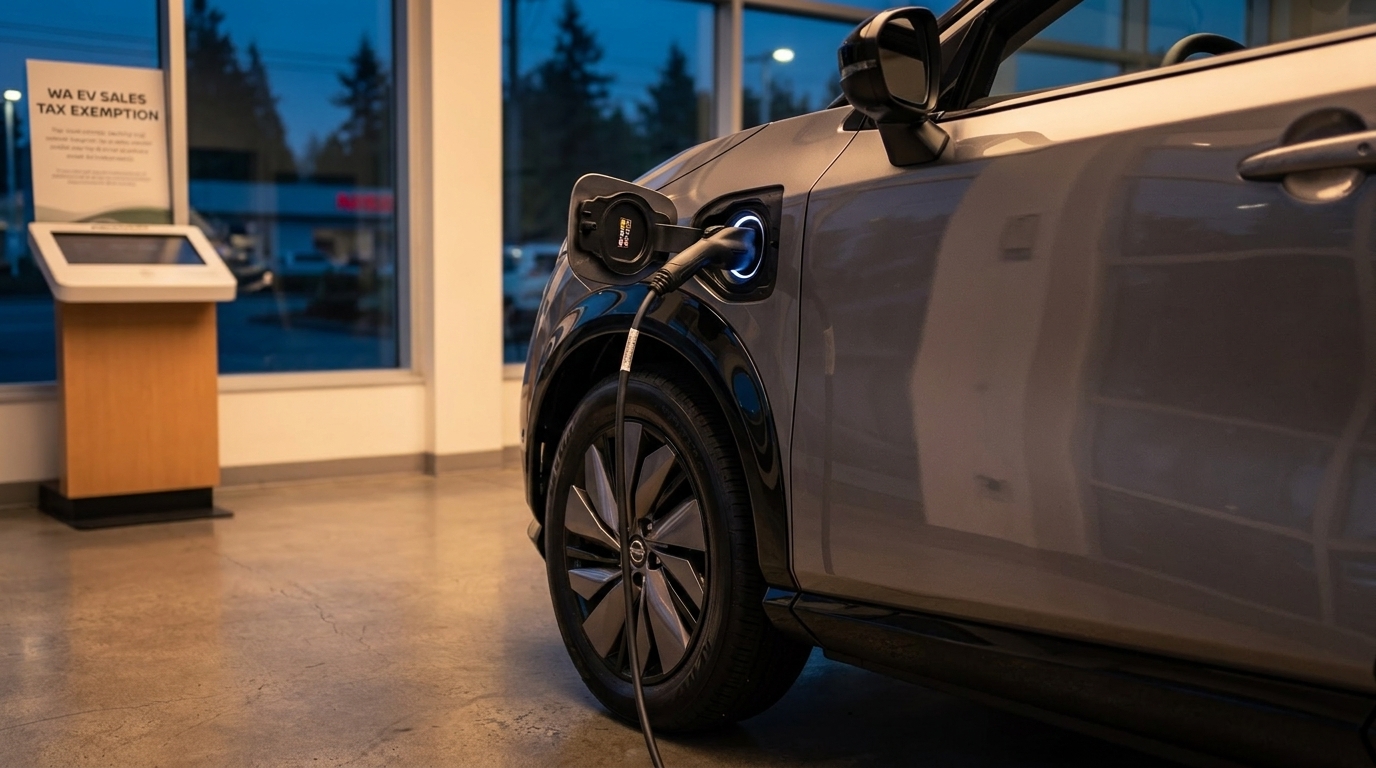
EVs and hybrids typically reduce fuel and routine maintenance costs — fewer oil changes, less brake wear — but carry higher purchase prices and may involve home charging installation costs. Depreciation patterns also differ from traditional gas vehicles. Run the same seven-category spreadsheet, substituting electricity costs for fuel and adjusting maintenance estimates downward for a realistic comparison.
At what point does keeping an older car become more expensive than buying a newer one?
Once annual repair costs consistently exceed what a replacement vehicle would cost in depreciation and financing combined, it's often time to consider trading up. A useful rule of thumb: if a single repair bill approaches or exceeds the vehicle's current market value, the ownership math has likely shifted in favor of replacing it.
Making the Numbers Work Before You Buy
The best time to run these numbers is before you fall in love with a specific car — not after. Once you have a realistic total monthly figure, you can make a genuinely informed decision about which vehicle fits your life and your budget without unpleasant surprises.
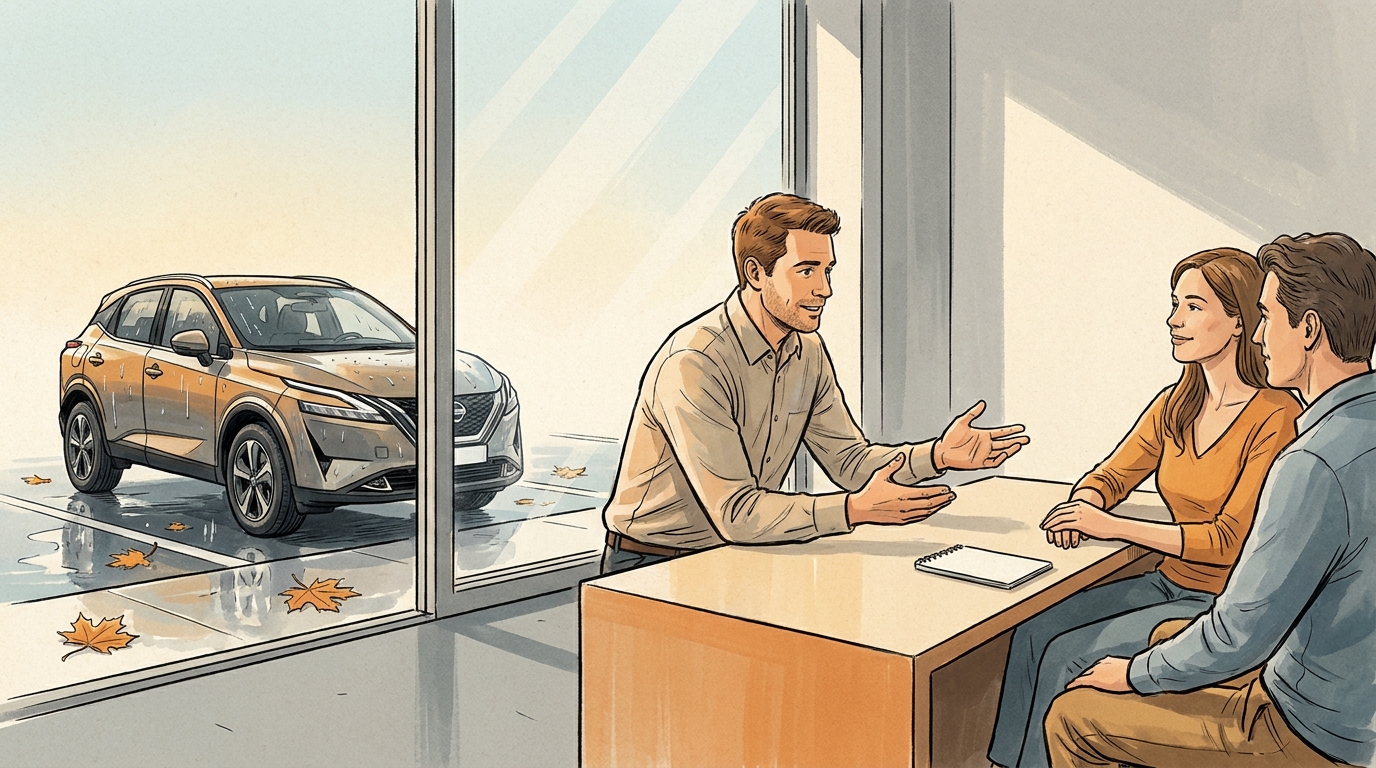
Transparency in the buying process matters here too. One customer wrote that a sales consultant gave them "a detailed explanation about Nissan cars, their quality, durability, available options" — the kind of informed conversation that makes a real difference when you're working through these numbers. Another described the experience as feeling "like a king from the first encounter" with "nothing but pure professionalism to the highest degree."
With a 4.4★ rating across more than 1,071 Google reviews, Nissan of Everett has built a consistent reputation for straightforward, respectful guidance — the sort of environment where asking financial questions feels welcome rather than awkward.
Everett drivers who want help working through these calculations alongside actual vehicle options can visit nissanofeverett.com to explore current inventory, review financing options, and connect with a sales consultant who can help put real numbers to the decision.