Electric Vehicle Dealers in Snohomish County: Complete Directory
A complete guide to EV dealers in Snohomish County in 2026 — what to look for, what to ask, and where to find electric vehicle inventory near you.
Snohomish County residents shopping for an electric vehicle in 2026 face a landscape that looks very different from even a few years ago. The number of EV-capable dealerships in the region has grown, federal and state incentive structures have evolved, and the range of available models — from affordable commuter EVs to fully equipped electric crossovers — has expanded considerably. Knowing which dealerships carry genuine electric vehicle inventory, offer knowledgeable sales staff, and can support the full ownership experience is now the practical starting point for any serious EV buyer.
Why Snohomish County Is a Growing EV Market
Washington State has consistently ranked among the top states for electric vehicle adoption, driven by clean energy incentives, a tech-oriented workforce, and favorable utility rates that make home charging economical. Snohomish County sits in that current — with a suburban and semi-rural mix that has historically favored truck and SUV purchases, but where EV crossovers and hatchbacks are now gaining significant traction.
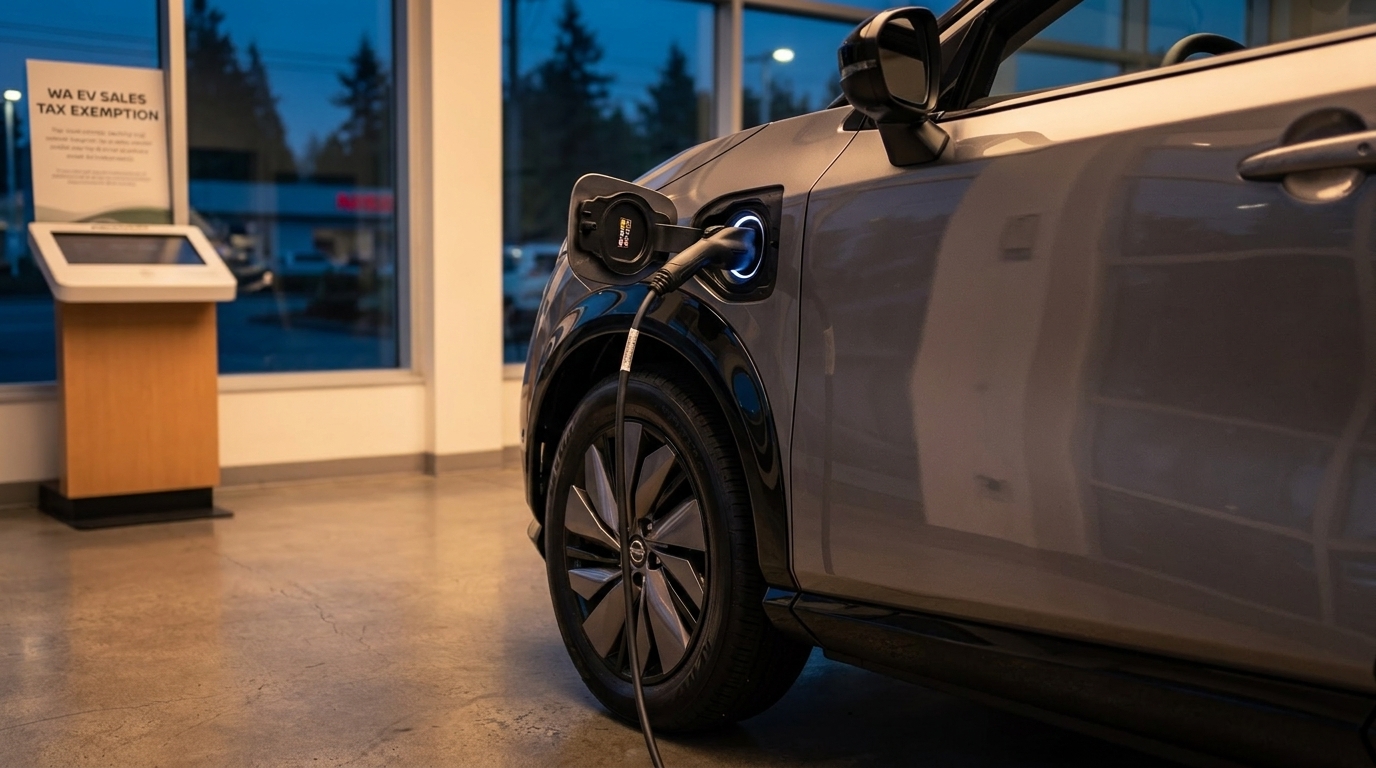
Snohomish PUD, which serves a large portion of the county, has supported EV infrastructure development, making residential charging setup more accessible than in many comparable markets. For buyers weighing total cost of ownership in 2026, the combination of lower fuel costs, Washington's sales tax exemption on EVs under the qualifying price threshold, and available federal credits makes the math increasingly favorable.
What Distinguishes a Qualified EV Dealership
Not every car dealership that lists an electric vehicle on its lot qualifies as a knowledgeable EV retailer. There is a meaningful difference between a dealership that stocks one or two EVs as an afterthought and one that has invested in staff training, charging infrastructure on-site, and the ability to walk buyers through incentive stacking, home charging options, and long-term ownership expectations.
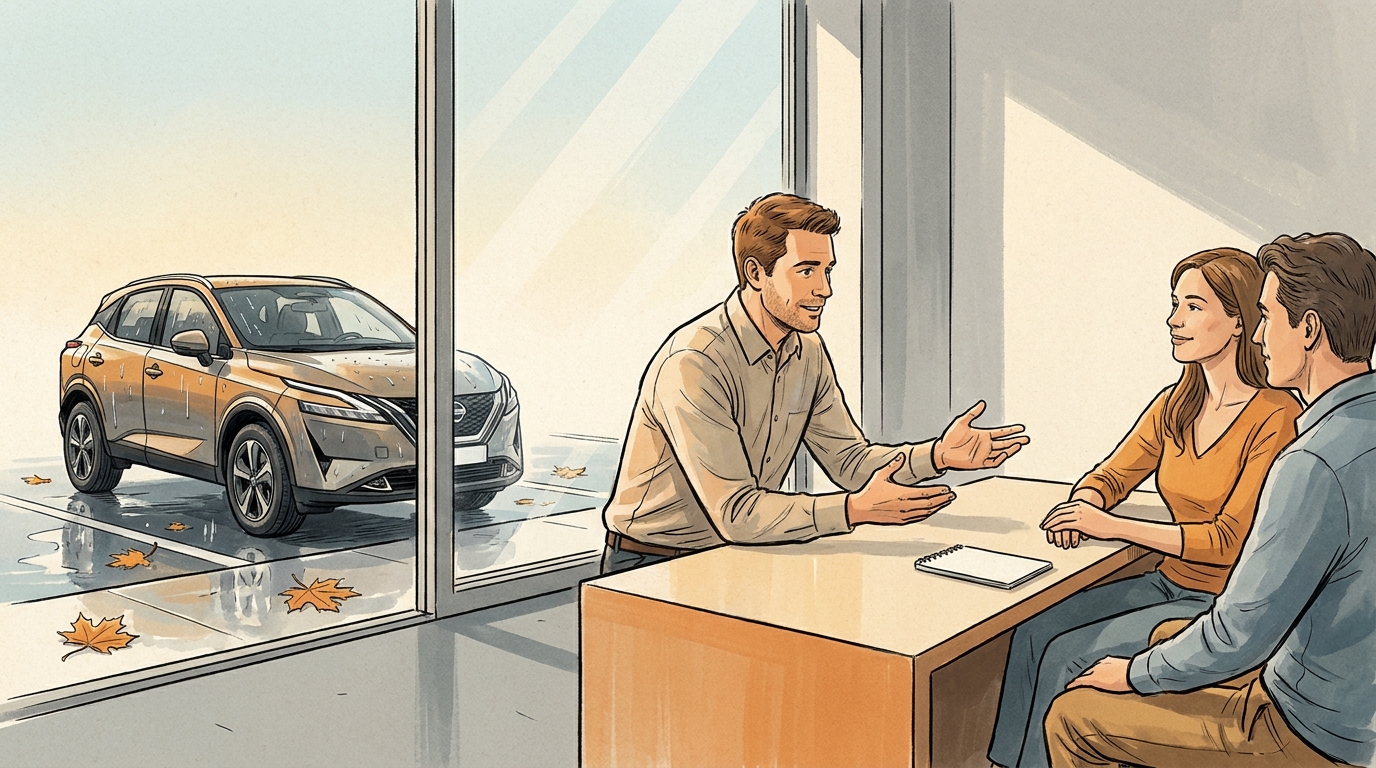
Buyers evaluating EV sales in Snohomish should ask direct questions: Can the sales team explain the difference between Level 1, Level 2, and DC fast charging? Do they understand how the current federal tax credit applies given a buyer's income and the vehicle's MSRP? Can they demonstrate the vehicle's real-world range behavior in Northwest driving conditions, including hills and cold-weather performance? Dealerships with genuine EV expertise will answer these questions with confidence and specificity.
Key Criteria for Evaluating an EV Dealer
- Model availability: Does the dealer carry multiple EV options at different price points, or is selection limited to a single model?
- Staff training: Have salespeople completed manufacturer EV certification, and can they explain charging, range, and incentives accurately?
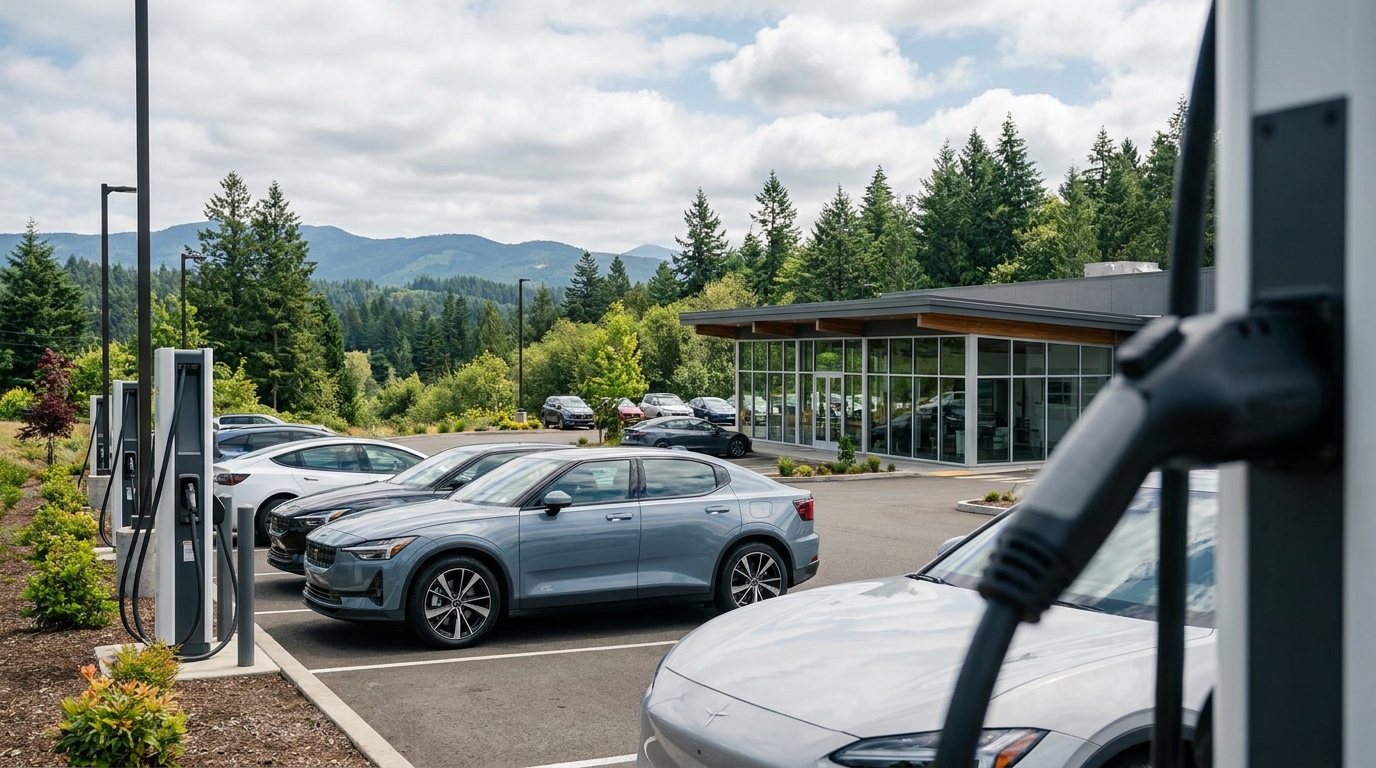
- On-site infrastructure: Is there a working Level 2 charger at the dealership for demonstrations and delivery top-offs?
- Incentive knowledge: Can the finance department accurately apply Washington State and federal EV incentives at point of sale?
- Service capability: Does the service department have technicians trained on high-voltage systems and battery management?
Electric Vehicle Inventory: What Snohomish Buyers Are Choosing in 2026
The most sought-after EV segments in Snohomish County in 2026 reflect the county's demographics: compact crossovers, practical hatchbacks, and increasingly, plug-in hybrid electric vehicles (PHEVs) for buyers who want reduced range anxiety during longer trips toward the mountains or eastern Washington. Fully battery-electric crossovers with 250-plus miles of range have become the category most dealerships are working hardest to stock.
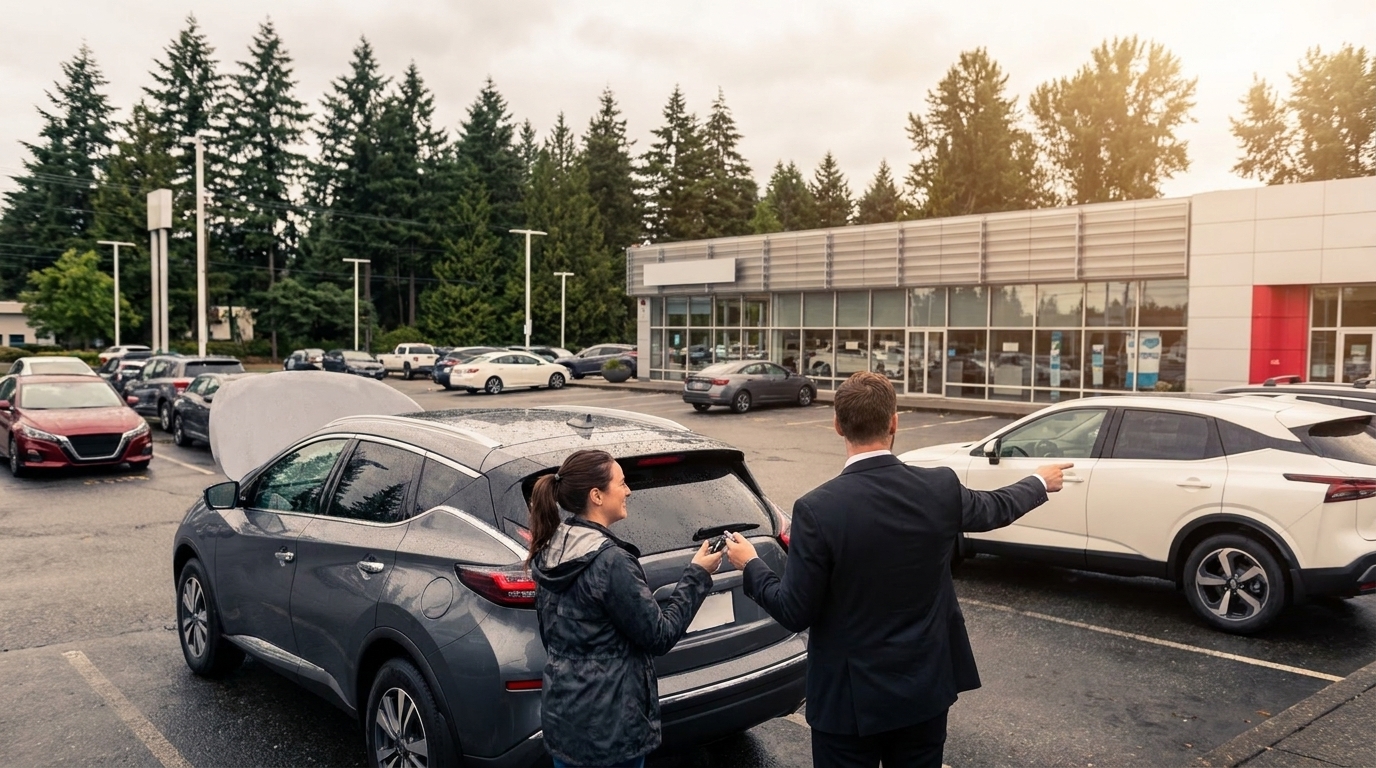
Nissan's electric lineup — including the Ariya crossover — has found a receptive audience in this market. The Ariya's combination of interior space, all-wheel-drive availability, and competitive range positions it well against both domestic and import competitors. Nissan of Everett, located in Snohomish County's largest city, carries this inventory and can configure orders for buyers whose specific trim or color preferences aren't on the lot at any given time.
Navigating Incentives: What EV Buyers in Snohomish Need to Know in 2026
Washington State's EV incentive environment in 2026 includes a sales tax exemption for qualifying new electric vehicles, a program that has driven meaningful savings for buyers at the point of purchase. The exemption threshold and qualifying vehicle list should be confirmed at time of purchase, as these parameters are subject to legislative adjustment.
At the federal level, the clean vehicle credit under current IRS guidelines provides up to a significant credit for qualifying new EVs — with income caps and vehicle MSRP limits that affect eligibility. Critically, buyers must verify that their chosen vehicle meets domestic assembly and battery sourcing requirements to qualify. A dealership's finance team should be able to confirm this in writing before a purchase is finalized. Buyers who are uncertain about eligibility should request a written breakdown from the dealer rather than relying on verbal estimates.
Questions to Ask the Finance Office Before Signing
- Does this vehicle qualify for the federal clean vehicle credit under current IRS rules?
- What is the current Washington State sales tax exemption status for this model?
- Is this vehicle eligible for point-of-sale credit transfer, or must I claim the credit on my tax return?
- Are there local or utility-based rebates available through Snohomish PUD or other programs?
The Ownership Experience: What Buyers Should Expect After the Sale
EV ownership introduces service and support considerations that differ from conventional internal combustion vehicles. Software updates, battery health monitoring, regenerative braking system maintenance, and high-voltage component recalls require dealership service departments with specific training. When evaluating an electric car dealership in Snohomish, the service department's qualifications matter as much as the sales floor experience.
Nissan of Everett's service team handles the full Nissan model range, including EV and electrified models. Customer feedback around the service experience has been consistently positive — one customer wrote that service staff offered "very good customer service" with efficient turnaround times, which matters for EV owners who depend on their vehicle for daily commuting.
Buyers should also ask about loaner vehicle availability during service, charging access while the vehicle is on-site, and whether the dealership has a direct line for EV-specific service questions separate from general scheduling.
Frequently Asked Questions: EV Dealers in Snohomish
Which electric vehicles are available at dealerships in Snohomish County in 2026?
Snohomish County dealerships carry a range of EVs in 2026, including models from Nissan, Chevrolet, Ford, Hyundai, Kia, and others. Availability varies by dealership. Battery-electric crossovers and sedans represent the largest share of current inventory. Nissan of Everett carries the Ariya electric crossover and can assist with factory orders for specific configurations.
What is the average price of an electric vehicle at Snohomish dealerships?
New electric vehicle pricing in Snohomish County in 2026 varies based on brand, trim level, and available range. After applying Washington State sales tax exemptions and applicable federal credits, effective buyer costs can be meaningfully lower than the sticker price. Certified pre-owned EVs are an emerging option at some dealerships for buyers with tighter budgets. Contact Nissan of Everett for a current quote on available inventory.
Do Snohomish EV dealers offer test drives that reflect real-world range?
Reputable EV dealers should offer test drives that include highway segments where regenerative braking, highway efficiency, and driver-assist features can be properly evaluated. Buyers should request a route that includes both city and freeway driving to get a realistic sense of range behavior in Pacific Northwest conditions.
Can I apply EV incentives directly at the dealership?
Under current federal rules, qualified buyers can transfer the clean vehicle credit to the dealership at point of sale, effectively reducing the purchase price rather than waiting for a tax refund. Not all buyers qualify, and dealerships must be registered with the IRS to facilitate the transfer. Confirming this capability in advance is a practical step before visiting any dealership.
What should I look for in a dealership's EV service department?
Look for technicians who hold manufacturer certification on high-voltage systems, service bays equipped with appropriate safety infrastructure, and a track record of handling EV-specific work such as battery diagnostics and software updates. Asking directly about EV service volume — how many electric vehicles the shop services monthly — is a reasonable way to gauge actual experience.
Is it possible to order a specific EV configuration if it's not on the lot?
Yes. Many Snohomish County dealerships, including Nissan of Everett, can place factory orders for buyers whose preferred trim, color, or feature package isn't currently in stock. Factory ordering is a practical option in 2026, particularly for buyers who want a specific all-wheel-drive configuration or interior combination. Lead times vary, so asking the dealer for an estimated window at the start of the conversation is advisable.
How do I know if my household charging setup is compatible with a new EV?
Compatibility depends on your home's electrical panel capacity and whether you have or can install a dedicated 240-volt circuit for a Level 2 charger. Most EVs sold in 2026 ship with a portable Level 1 adapter for standard outlets, but Level 2 home charging delivers meaningfully faster overnight replenishment. A qualified EV dealership should walk you through the home charging options that pair with any vehicle you're considering before you finalize a purchase.
Conclusion: Finding the Right EV Partner in Snohomish County
The electric vehicle market in Snohomish County has matured to the point where buyers have real choices — but those choices are not all equivalent. The dealership experience, staff expertise, inventory depth, and post-sale service capability vary significantly across the region. Buyers who treat the dealership relationship as a long-term partnership, rather than a one-time transaction, tend to be better positioned for a smooth ownership experience.
Nissan of Everett holds a 4.4-star rating from more than 1,000 Google reviews as of April 2026, with customers consistently noting that sales staff take time to understand individual needs and present options that fit. One customer wrote that the team "listened to what we had to say, understood our goals, and met us in the middle with options that fit our needs." For Snohomish County residents researching EV sales and electric vehicle inventory, Nissan of Everett is a practical starting point. More information is available at www.nissanofeverett.com.
"