Car Insurance Requirements and Tips for New Vehicle Owners
New to car ownership in Everett? Learn what insurance coverage you actually need in 2026, what's optional, and how to set yourself up right from day one.
Car Insurance Requirements and Tips for New Vehicle Owners
You just bought a new car — or you're about to. The paperwork is winding down, the keys are in your hand, and then someone asks: "Do you have insurance lined up?" If that question catches you off guard, you're not alone. Understanding new car insurance requirements is one of the most commonly overlooked parts of the buying process, and getting it wrong can cost you significantly more than just a fine.
This guide walks you through what vehicle insurance coverage is legally required in Washington State, what's worth adding on, and how to make smart decisions that protect your investment from the moment you drive off the lot.
What Washington State Requires: The Legal Baseline
Every driver in Washington must carry a minimum level of auto insurance for a new car before operating it on public roads. As of 2026, the state minimum liability requirements are:
- $25,000 bodily injury liability per person
- $50,000 bodily injury liability per accident
- $10,000 property damage liability per accident
These numbers represent the floor — the absolute minimum you need to be legal. They don't protect your own vehicle if you're at fault in an accident, and they may not come close to covering real-world costs if the accident is serious.
Driving without insurance in Washington can result in fines, license suspension, and vehicle impoundment. If you're financing your vehicle, your lender will also have their own insurance requirements that go beyond the state minimum — more on that below.
Financing a Vehicle? Your Lender Sets Additional Rules
When you finance a car, the lender holds a financial interest in that vehicle until you've paid it off. That means they have the right to require specific vehicle insurance coverage to protect their investment — and yours.
Most lenders require two additional types of coverage beyond the state minimum:
Comprehensive Coverage
This covers damage to your vehicle that isn't caused by a collision — things like theft, vandalism, weather events, or hitting an animal. In the Pacific Northwest, where hail, flooding, and falling trees are real seasonal concerns, comprehensive coverage isn't just a lender formality. It's genuinely useful.
Collision Coverage
This pays for repairs to your vehicle when you're involved in an accident, regardless of who's at fault. If you're hit by an uninsured driver — and Washington has a meaningful share of them — collision coverage means you're not stuck paying out of pocket while sorting out liability disputes.
Most lenders will also require you to list them as a "loss payee" on your policy, meaning any claim payout goes to them first up to the amount you owe. This is standard practice, not a red flag.
Coverage Worth Considering Beyond the Minimums
Even if you own your vehicle outright, the state minimum liability coverage leaves a lot of gaps. Here are the additional options most experienced drivers and financial advisors recommend evaluating:
Uninsured and Underinsured Motorist Coverage
This protects you if you're hit by a driver who has no insurance or not enough to cover your damages. Washington law requires insurers to offer this coverage, though you can decline it in writing. Given current road conditions and the percentage of uninsured drivers, most car insurance tips from consumer advocates point to this as one of the most cost-effective additions you can make.
Personal Injury Protection (PIP)
PIP covers medical expenses and lost wages for you and your passengers after an accident, regardless of fault. It's particularly valuable if your health insurance has high deductibles or limited coverage for accident-related injuries.
Gap Insurance
If you're financing a new vehicle, there's a window — often the first year or two — where you owe more on your loan than the car is worth. If your vehicle is totaled during that period, standard insurance pays the current market value, not what you owe. Gap insurance covers the difference. It's worth asking about at the dealership or through your insurer when you purchase.
Roadside Assistance
Some manufacturers include roadside assistance as part of a new vehicle warranty, so check what's already covered before adding it to your policy. Paying twice for the same service is easy to miss.
Car Insurance Tips: How to Get Coverage Right From Day One
There's a right way and a complicated way to handle auto insurance for a new car. Here's how to make it straightforward:
- Get quotes before you finalize the purchase. Insurance premiums vary by vehicle model, your driving record, and your zip code. Knowing what your monthly cost will be helps you factor it into your total budget before you sign anything.
- Contact your current insurer first. If you already have an auto policy, adding a new vehicle is usually as simple as a phone call. Most insurers provide a short grace period — typically 7 to 30 days — when you add a vehicle, but confirm this before you assume you're covered.
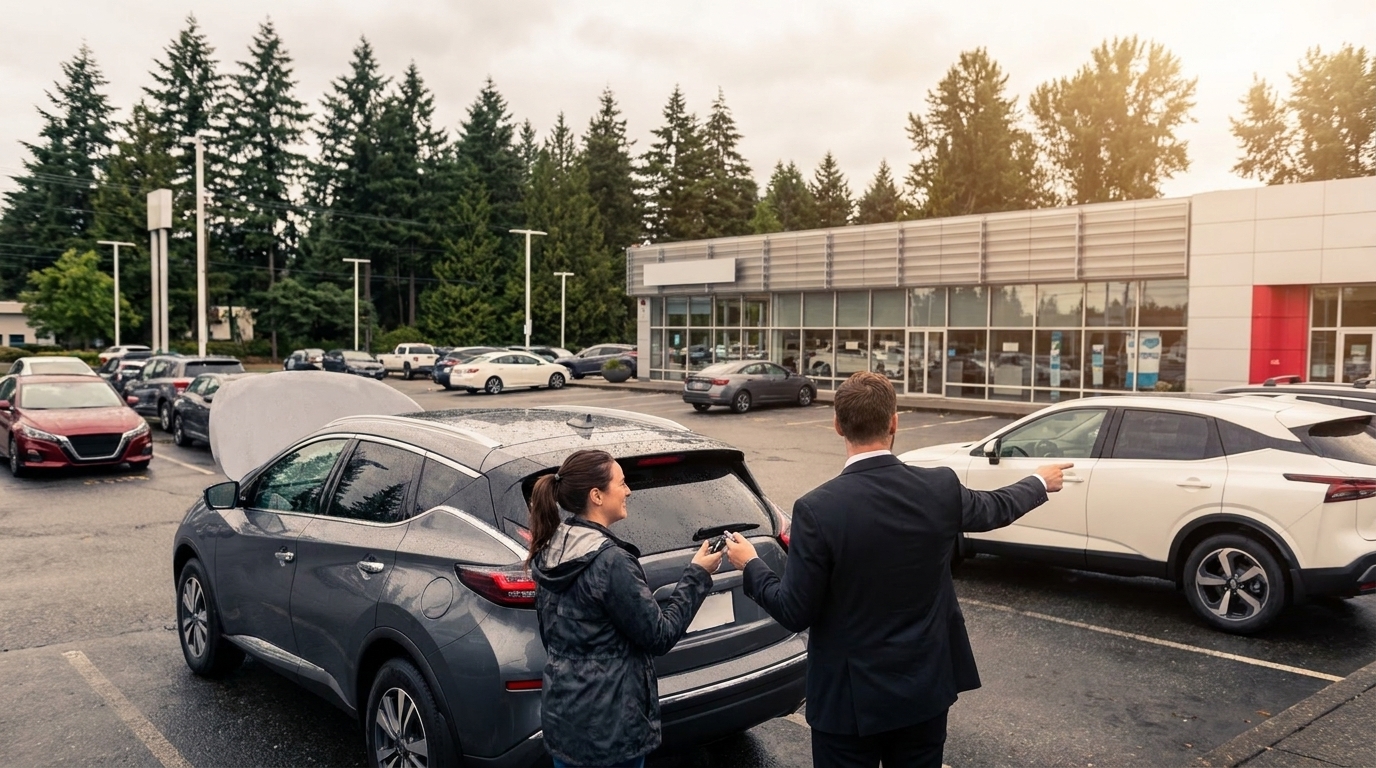
- Bring proof of insurance to the dealership. You'll need to show coverage before driving off the lot. A digital insurance card on your phone is acceptable in Washington State.
- Don't set your deductible higher than you can afford to pay. A higher deductible lowers your monthly premium, but if you can't realistically write a $2,000 check after a fender bender, that tradeoff works against you.
- Review your policy annually. Your situation changes — mileage, driving record, credit score, even your neighborhood — and your insurance rates should reflect that. Shop comparisons once a year.
Frequently Asked Questions About New Car Insurance Requirements
Do I need insurance before I leave the dealership?
Yes. In Washington State, you cannot legally drive an uninsured vehicle on public roads. You'll need to show proof of coverage at the dealership before taking possession of the vehicle. If you're adding to an existing policy, your insurer can usually send digital proof within minutes.
What happens if I drive off the lot without insurance?
You'd be driving illegally. If you're stopped or involved in an accident without coverage, you're looking at fines, potential license suspension, and full personal liability for any damages. It's a risk that far outweighs the inconvenience of getting coverage in place beforehand.
Is gap insurance always worth it?
It depends on your down payment and loan term. If you put down 20% or more, your loan balance may stay close to the vehicle's market value from the start, making gap coverage less critical. For buyers with smaller down payments or longer loan terms, it's generally a sound investment in the first few years.
Can the dealership help me get insurance?
Some dealerships partner with insurance providers or can point you toward resources. However, it's usually worth shopping independently to compare rates. The dealership's primary role is helping you find and purchase the right vehicle — insurance is your responsibility to arrange, ideally before your purchase date.
Does my credit score affect my car insurance rate?
In Washington State, insurers are currently prohibited from using credit scores as a primary factor in setting auto insurance rates. That said, rules can evolve, so it's worth confirming current practices with any insurer you're considering.
What's the difference between comprehensive and collision coverage?
Collision covers damage from accidents involving another vehicle or object. Comprehensive covers everything else — theft, weather, fire, and non-collision incidents. If your lender requires both, you'll have the most complete protection for your vehicle. If you own outright, whether to carry both depends on the vehicle's value and your personal risk tolerance.
How soon after buying a car do I need to update my insurance policy?
You need active coverage before driving off the lot — not after. If you're adding to an existing policy, most insurers extend a grace period of 7 to 30 days, but that grace period is not a substitute for notifying your insurer promptly. Contact them the same day you take possession to confirm your new vehicle is properly listed and fully covered under your policy terms.
Can I insure a car that isn't registered in my name?
Generally, you need an insurable interest in the vehicle — meaning you'd suffer a financial loss if it were damaged. Insuring a car titled to someone else is possible in certain situations, such as a spouse or household family member, but policies vary by insurer. Disclose the ownership situation clearly when getting quotes to avoid a claim being denied later.
Understanding Total Cost of Ownership Before You Buy
One thing that catches new vehicle owners off guard is how insurance interacts with the full cost of owning a car. The sticker price is just one part of the picture. Monthly payments, fuel, maintenance, registration, and insurance premiums all factor into what a vehicle actually costs to own.
This is worth mapping out before you commit to a specific model. Some vehicles cost significantly more to insure due to repair costs, theft rates, or safety ratings — and that monthly insurance figure can shift your budget more than you'd expect.
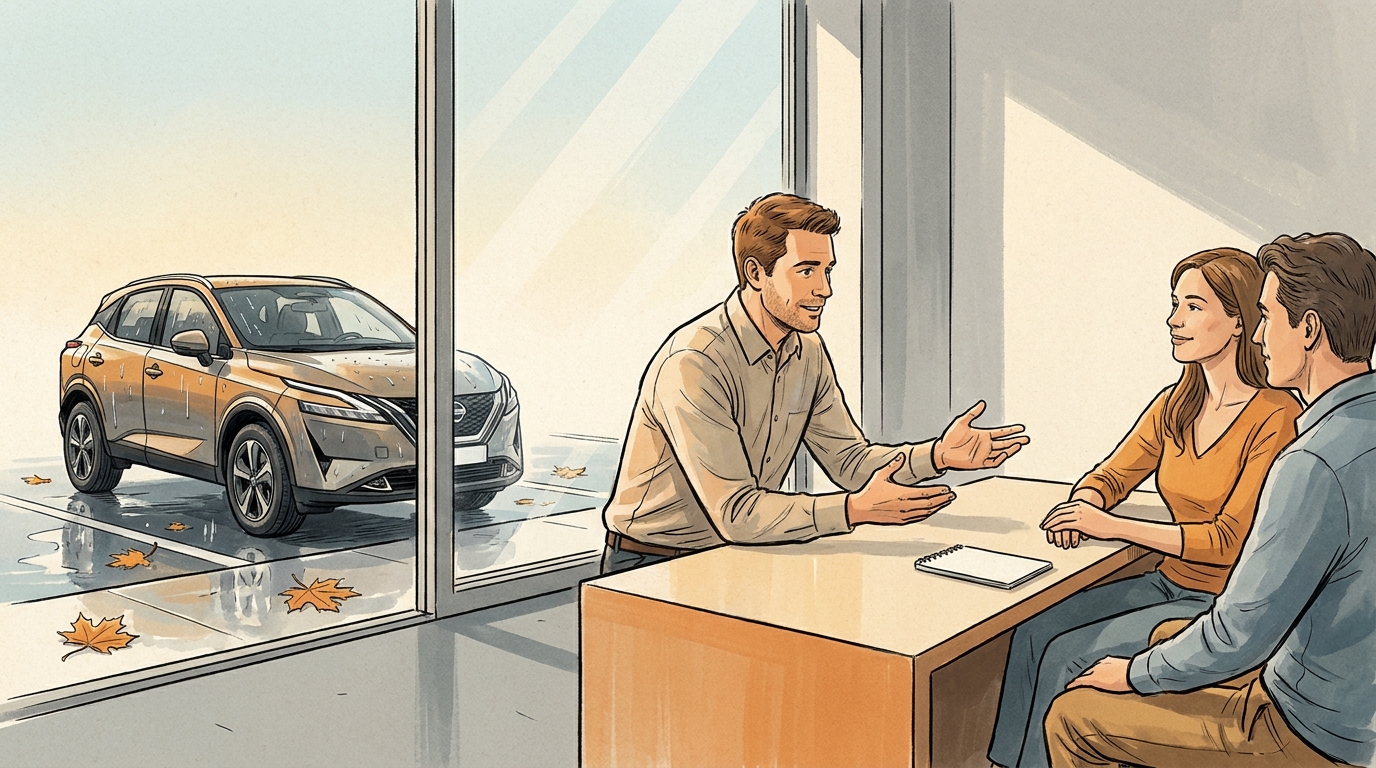
A knowledgeable sales team can help you think through these numbers honestly. At Nissan of Everett, customers consistently note that the process feels informative rather than pressured — one customer wrote of receiving "a detailed explanation about Nissan cars, their quality, durability, available options" before making a decision. That kind of conversation is exactly where insurance costs should come up, too.
Final Thoughts
Getting vehicle insurance coverage right isn't complicated, but it does require a little planning before you pick up your keys. Know what Washington State requires, understand what your lender will mandate if you're financing, and evaluate the additional coverage options that match your actual situation — not just the cheapest monthly rate.
The car-buying process in Everett moves quickly once you've found the right vehicle. Having your insurance questions answered in advance means you can focus on the exciting part without scrambling at the last minute.
If you're still in the vehicle selection phase and want to understand how different models might affect your insurance costs and overall ownership budget, the team at Nissan of Everett can walk you through the specifics on any vehicle you're considering. Their 4.4-star rating across more than 1,071 Google reviews reflects a sales experience that customers regularly describe as transparent and respectful — one customer noted being made to feel "nothing but pure professionalism to the highest degree" — the kind of environment where practical questions about real-world costs are welcome, not rushed past.