Car Dealership Warranty Options: Everett Buyer's Protection Guide
Understand vehicle warranty options at Everett dealerships. This guide covers extended warranties, protection plans, and how to choose coverage that fits your needs.

Car Dealership Warranty Options: Everett Buyer's Protection Guide
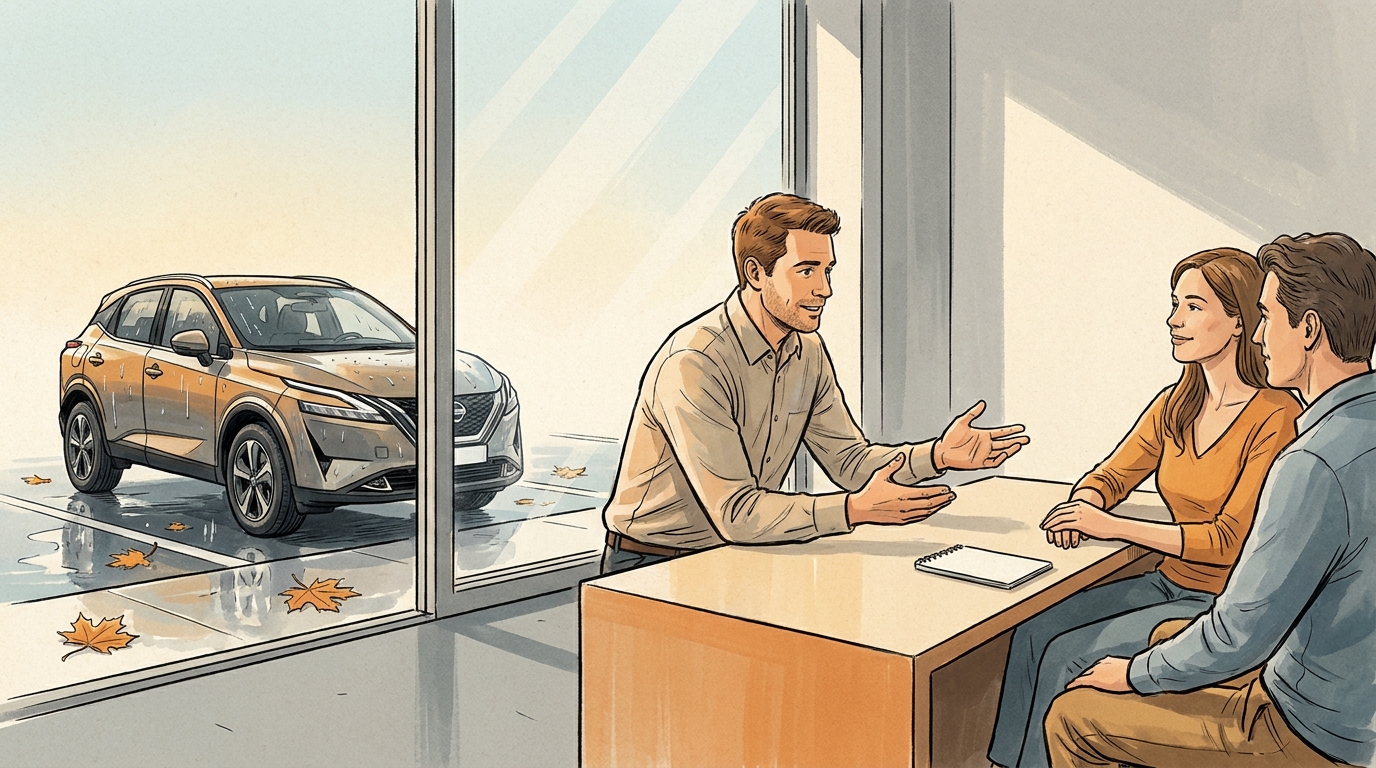
Buying a vehicle is one of the larger financial decisions most people make — and once the paperwork is signed, the question of what happens next looms large. Mechanical failures, unexpected repairs, and out-of-pocket costs can quickly erode the satisfaction of a new purchase. That's why understanding vehicle warranty options before sitting across from a finance manager is one of the smartest things an Everett car buyer can do.
This guide breaks down the types of coverage available at dealerships, what buyers should scrutinize before agreeing to a protection plan, and how to evaluate whether extended warranty coverage makes financial sense for a particular vehicle and lifestyle.
What Warranty Coverage Actually Means at a Dealership
There are two distinct categories of warranty coverage that apply to most dealership purchases: the manufacturer's warranty that comes standard with a new vehicle, and optional coverage products — commonly called extended warranties or dealership protection plans — that buyers can add at the point of sale or shortly after.
Manufacturer warranties are non-negotiable inclusions on new vehicles. Most major brands in 2026 offer a basic bumper-to-bumper warranty of three years or 36,000 miles, along with a powertrain warranty that typically extends to five years or 60,000 miles. Some brands have extended these terms as a competitive differentiator. These warranties are backed by the automaker and honored at any authorized dealer — meaning an Everett buyer who moves or travels can still access service without penalty.
Extended warranties, by contrast, are separate contracts. They may be offered by the manufacturer (sometimes called a "certified" or "original equipment" extension), by the dealership itself, or by third-party administrators. Each comes with meaningfully different terms, coverage depth, and claims processes.
Extended Warranty vs. Dealership Protection Plans: Understanding the Difference
The terminology in this space is often used interchangeably, which creates confusion. An extended warranty is generally a contract that takes effect after the manufacturer's warranty expires and covers mechanical breakdowns caused by defects or normal wear. A vehicle service contract is the technically correct legal term for most of these products, though dealers and buyers alike routinely call them extended warranties.
Dealership protection plans are a broader category that can include extended mechanical coverage but may also bundle in cosmetic protection (paint sealant, interior fabric guard), tire and wheel coverage, key replacement, and dent or ding repair. Some Everett dealerships package these together; others offer them as separate line items. Buyers should ask to see each component priced individually before agreeing to a bundled package — that transparency often reveals where the real value lies and where it doesn't.
Manufacturer-Backed vs. Third-Party Extended Coverage
Manufacturer-backed extended coverage — often sold as a certified pre-owned program or a factory extended service plan — is generally considered the more reliable of the two options. These plans are administered by the automaker, which means claims go through an established infrastructure, coverage terms are standardized, and honored repair facilities are easy to verify. Third-party extended warranties vary widely in quality; some are administered by financially stable companies with strong claims records, while others carry reputational risk. Buyers should research the administrator's financial rating and read actual policy documents, not just sales summaries.
Key Factors to Evaluate Before Purchasing Coverage in Everett
The decision to purchase extended warranty coverage should be driven by a few concrete variables rather than fear or upselling pressure. Evaluating these factors honestly helps buyers determine whether coverage is worth the cost.
- Vehicle reliability history: Vehicles with strong long-term reliability records — many Japanese-brand models among them — statistically generate fewer warranty claims. Buyers choosing a model with a history of higher repair frequency have more reason to consider extended protection.
- Ownership duration: Extended coverage makes the most financial sense for buyers planning to hold a vehicle well past the manufacturer warranty period. For those who trade in every three to four years, coverage that activates at year four or five may never be used.
- Deductible terms: Policies vary between per-visit and per-repair-occurrence deductibles. A per-visit structure — where one deductible covers all repairs in a single service appointment — is generally more favorable to the buyer.
- Transferability: Coverage that transfers to a subsequent owner adds resale value to the vehicle, which is worth factoring into the cost-benefit calculation.
- Exclusion lists vs. inclusion lists: Some policies list what is covered (inclusion-based); others list what is excluded (exclusion-based). Exclusion-based policies are typically more comprehensive. Buyers should read both types carefully and ask specifically about high-cost components like turbochargers, transmissions, and advanced electronics.
What Certified Pre-Owned Programs Offer Everett Buyers
Certified pre-owned (CPO) programs represent a middle path between buying new and buying used without protection. A CPO vehicle must pass a manufacturer-defined inspection checklist and comes with extended warranty coverage that is typically more comprehensive than what dealers offer on standard used inventory. In 2026, most major CPO programs include roadside assistance, powertrain coverage, and some degree of bumper-to-bumper protection.
For Everett buyers considering a used vehicle, a CPO program can reduce the uncertainty inherent in purchasing a car with prior ownership history. The added cost relative to a comparable non-certified used vehicle should be weighed against the coverage terms, not treated as an automatic premium worth paying. Reputable dealers will walk through those terms clearly — the coverage document should be available in writing before any purchasing decision is made.
How to Negotiate Warranty Products at a Dealership
Most buyers don't realize that extended warranty pricing is negotiable. Dealerships typically mark up vehicle service contracts, which means there is room between the listed price and the dealer's cost. Buyers who have done research, know the general market range for similar coverage, and are willing to decline a product entirely are in the strongest negotiating position.
A few practical negotiating guidelines: ask for the out-the-door price on the warranty separately from the vehicle price; request to see the actual service contract rather than a summary brochure; and ask whether the coverage can be added within a defined window after purchase rather than solely at the point of sale. Many dealerships allow a 30- to 60-day window, which gives buyers time to review options without the time pressure of closing a vehicle transaction.
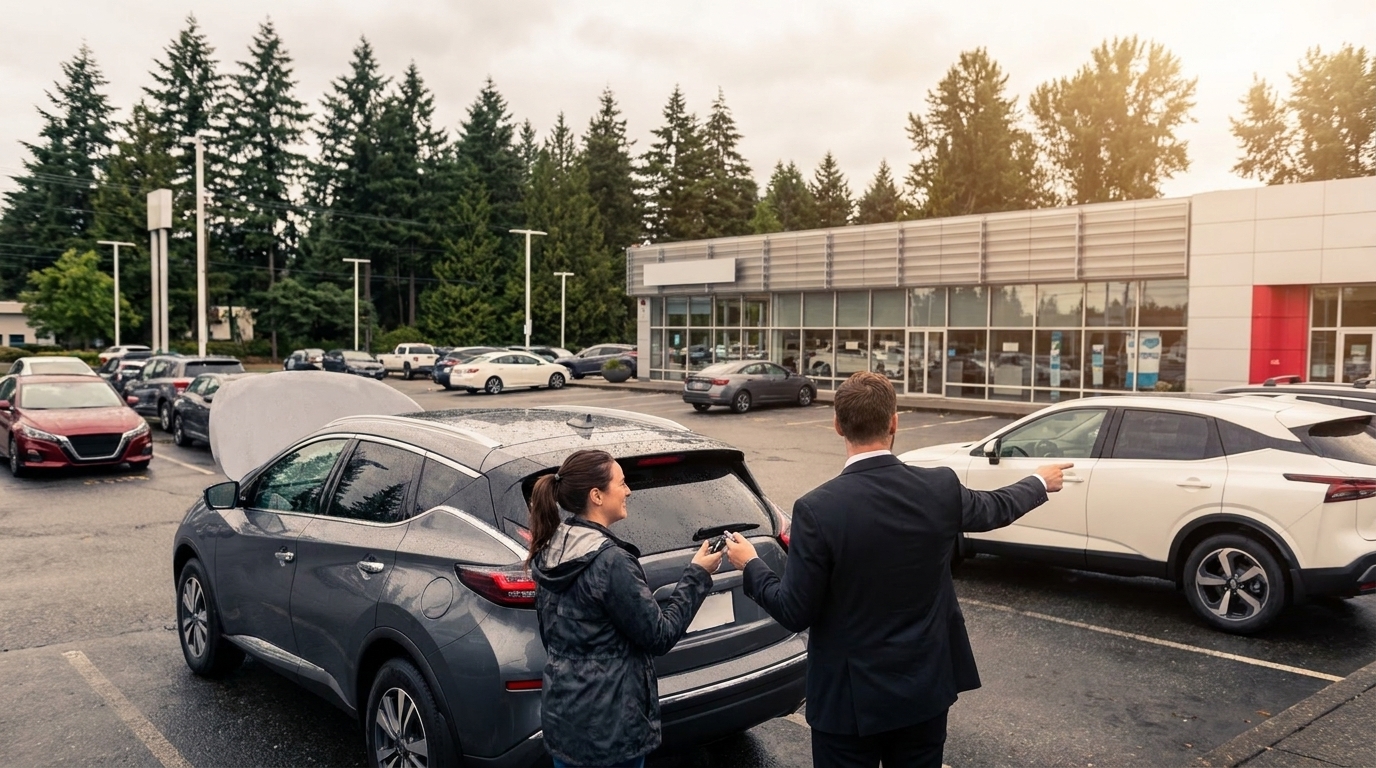
Customers at Nissan of Everett have noted the staff's professionalism and respect throughout the buying process — one customer wrote that the experience involved "nothing but pure professionalism to the highest degree," which reflects the kind of environment where warranty conversations are more likely to be productive rather than transactional.
Frequently Asked Questions: Car Warranties in Everett
Is an extended warranty worth it on a new car?
For most new vehicles that already carry a manufacturer warranty, the immediate value of an extended warranty is limited — coverage won't activate until the factory warranty expires. The decision depends on how long the buyer intends to keep the vehicle and the reliability profile of the model. High-reliability vehicles may generate repair costs that never exceed the premium paid for coverage. For buyers planning to own a vehicle for seven or more years, the calculus is more favorable.
Can an extended warranty be canceled?
Yes, in most cases. Most dealership protection plans and vehicle service contracts include a cancellation provision, particularly within a defined window (often 30 days) for a full refund. After that window, prorated refunds are typically available. Buyers should confirm cancellation terms in writing before signing any coverage agreement.
What does a dealership protection plan typically not cover?
Common exclusions include wear-and-tear items such as brake pads, tires, wiper blades, and filters. Damage from accidents, misuse, or neglected maintenance is generally excluded as well. Some policies also exclude pre-existing conditions identified at the time of purchase, which is why inspection documentation matters for used vehicle coverage.
Does where I buy the warranty matter?
It does. Manufacturer-administered programs tend to offer the clearest claims process and widest repair network. Dealership-administered plans backed by financially stable third parties can also be solid options, but buyers should verify the administrator's reputation independently. Purchasing coverage from a dealership with a reliable local service department — one where repairs can actually be performed under the plan — simplifies the ownership experience considerably.
Can I buy coverage on a used vehicle?
Yes, with conditions. Most vehicle service contracts have mileage and age eligibility caps. A used vehicle's maintenance history will often be factored into eligibility, and some policies require a pre-purchase inspection. CPO programs are a structured alternative that packages coverage with the vehicle purchase itself.
How do I know if a third-party warranty administrator is financially stable?
Look up the administrator's rating through an independent financial rating agency before signing. A company that goes out of business leaves claims unpaid regardless of what the contract promises. Ask the dealership for the administrator's full legal name — not just the plan's brand name — so you can research it separately. Manufacturer-backed plans sidestep this risk entirely.
What questions should I ask the finance manager before agreeing to any warranty product?
Ask who administers the plan, what the deductible structure is, which components are explicitly excluded, whether coverage is transferable, and how claims are filed. Request the actual contract — not just a brochure — before signing. Also confirm whether coverage can be purchased after the sale, so you're not making the decision under time pressure at the closing table.
Making a Coverage Decision That Fits
There is no universal answer to whether extended warranty coverage is the right choice — it depends on the vehicle, the buyer's ownership timeline, and their financial tolerance for unexpected repair costs. What matters most is that Everett buyers approach the decision with clear information rather than time pressure or incomplete documentation.
Nissan of Everett (nissanofeverett.com) is a resource for Everett buyers who want to work through these questions in a dealership environment known for transparent communication. With a 4.4-star rating across more than 1,071 Google reviews, the dealership reflects what customers tend to value most in the warranty conversation: staff who explain options clearly and don't push buyers toward decisions that don't fit their situation. Buyers in Everett looking to understand their vehicle warranty options — whether on a new Nissan or a certified pre-owned vehicle — can reach the team at www.nissanofeverett.com.