How Kirkland Car Dealers Handle Multi-Brand Inventory Management and Sourcing
Inside the inventory management and vehicle acquisition strategies Kirkland car dealers use to stock multi-brand lots in a tight Eastside market in 2026.
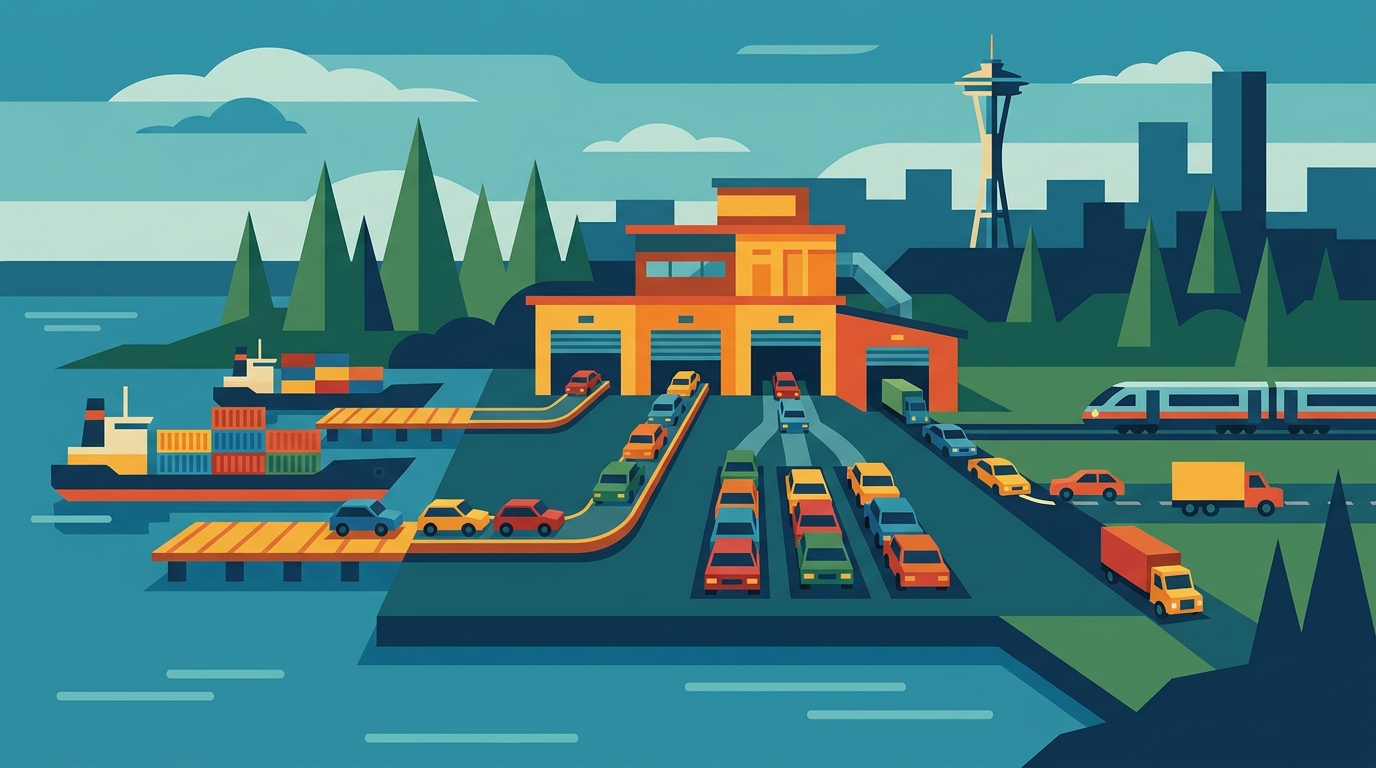
Walk onto any Kirkland car dealer's lot in 2026 and you're looking at the end result of a sourcing operation that runs around the clock. Behind every Altima, Rogue, or pre-owned Tacoma sitting under the lights is a procurement team weighing auction data, trade-in flow, regional demand signals, and the peculiar buying habits of Eastside shoppers. Inventory management has become the single most strategic function in the dealership — more than financing, more than marketing, arguably more than the sale itself.
The reason is simple: the Puget Sound used-vehicle market is one of the tightest in the country. With tech-sector buyers in Kirkland, Bellevue, and Redmond competing for low-mileage SUVs and electrified powertrains, dealers can't just order cars and wait. They have to source them, sometimes from three states away, and turn them fast.
Why Kirkland's Market Demands a Different Inventory Playbook
Kirkland sits inside one of the most affluent and environmentally conscious vehicle markets in the Pacific Northwest. Buyers in Juanita, Totem Lake, Houghton, and Bridle Trails skew toward hybrids, plug-ins, all-wheel-drive crossovers, and certified pre-owned units with clean service histories. That demand profile shapes every sourcing decision a dealer makes.
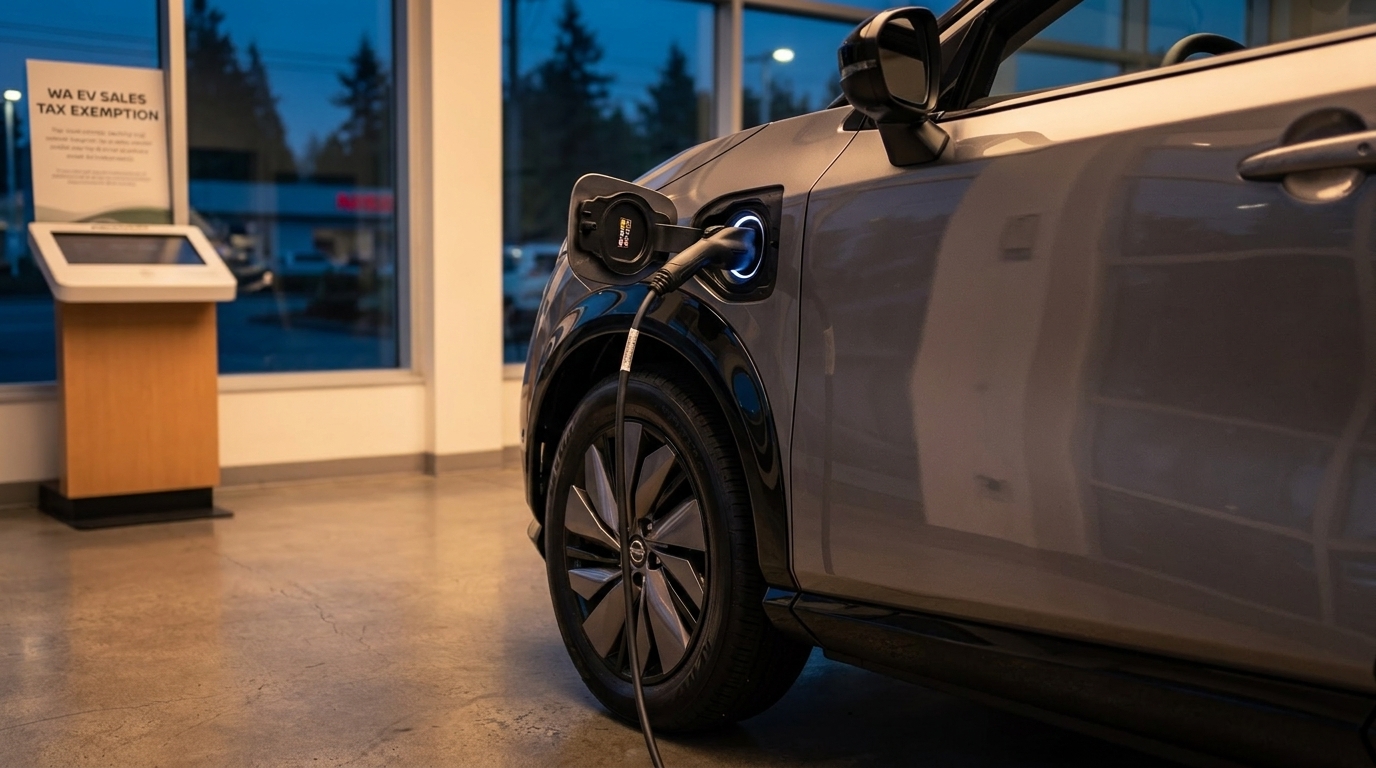
Washington's vehicle emissions and clean-car policies have also pushed inventory mixes toward electrified options at a faster pace than national averages. Dealers serving the Kirkland market plan their acquisition strategies around that reality — stocking more hybrids and EVs than a comparable dealer in, say, eastern Washington would.
Then there's the weather pattern. The Eastside's wet season runs roughly October through May, and AWD inventory has to be in place well before the first heavy rains. A dealer who waits until November to build AWD stock has already lost the season.
The Three Channels That Feed a Modern Multi-Brand Lot
Most Kirkland-area dealers, whether single-franchise or multi-brand operations, source inventory from three primary channels. The mix between them is what separates a well-run lot from one that constantly runs hot or cold on stock.
1. Trade-Ins from Existing Customers
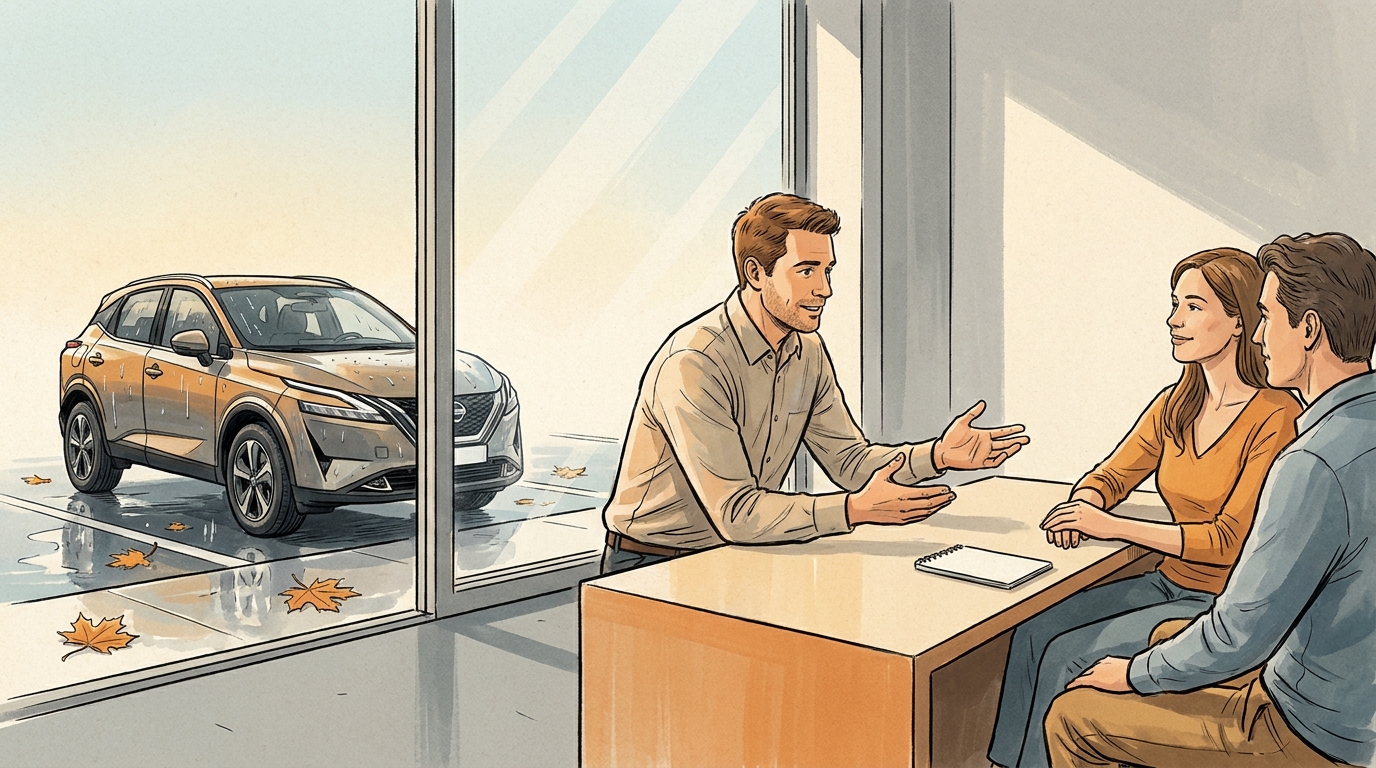
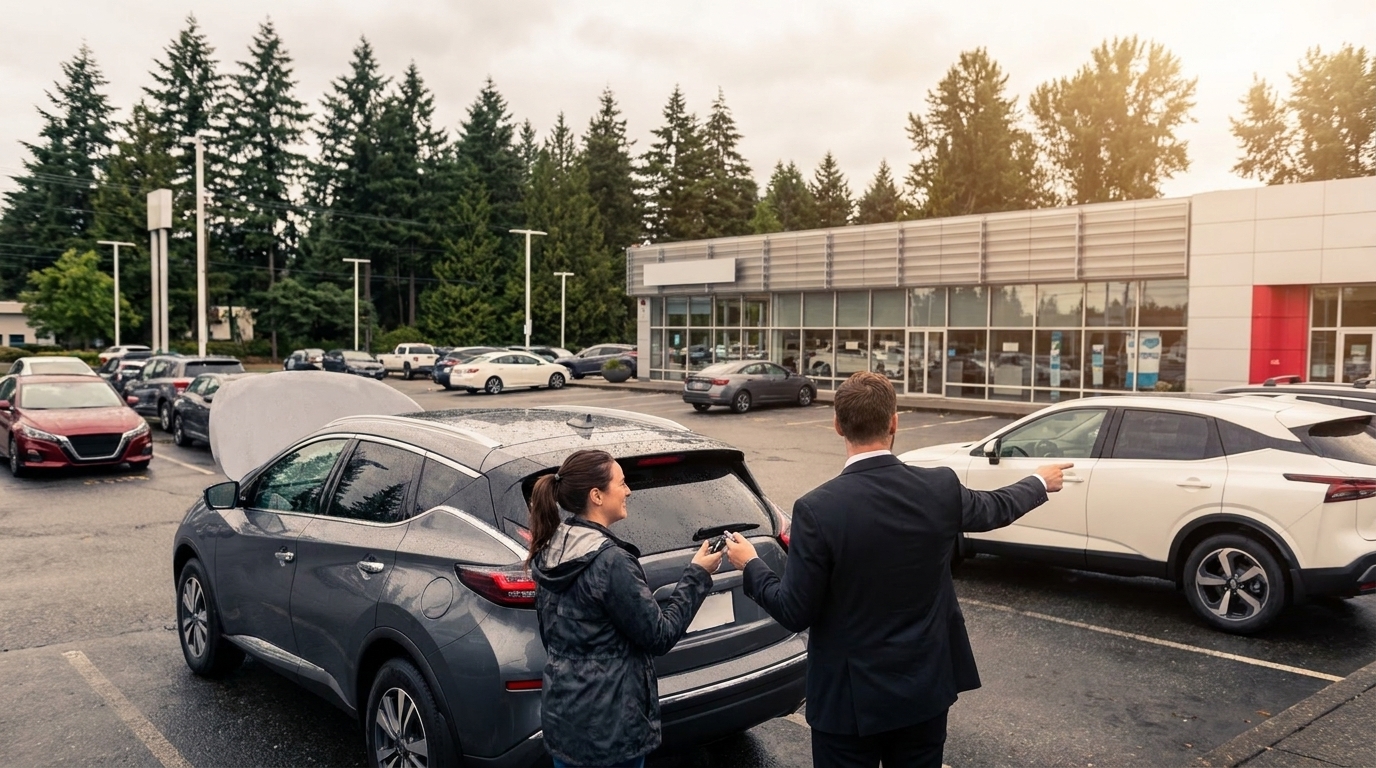
Trade-ins are the highest-margin source of used inventory because there's no auction premium and no transportation cost. For a multi-brand or used car dealer, a Subaru Outback traded in on a new Nissan Rogue is essentially free inventory — minus reconditioning. Dealers who run strong service departments tend to have stronger trade-in pipelines because owners come back for maintenance, build relationships, and eventually trade where they service.
2. Wholesale Auctions
Manheim and ADESA auctions, including the Seattle-area lanes, remain the backbone of multi-brand inventory acquisition. Dealers send buyers — or use digital bidding platforms — to source specific makes, models, and trim levels based on what their sales data shows is moving. A used car dealer focused on the Kirkland market might target Toyota, Honda, Subaru, and Nissan units under 50,000 miles, because those brands dominate Eastside resale demand.
3. Direct Acquisition and Service-Lane Sourcing
The newest channel — and the fastest-growing — is direct acquisition from consumers who aren't trading in. Dealers now make standalone offers on vehicles, often sight-unseen via online appraisal tools, and acquire cars that never would have hit their lot otherwise. Service-lane sourcing is a quieter version of the same play: identifying owners who bring vehicles in for maintenance and proactively offering to buy.
How Multi-Brand Inventory Decisions Actually Get Made
The misconception is that dealers stock whatever they can get. In reality, every unit on a competitive Kirkland lot has been chosen against a model that weighs days-to-sell, gross-profit history, reconditioning cost, and seasonal demand curves. Sales teams at Nissan of Everett and other established dealers in the region work from inventory dashboards that update daily, flagging which segments are understocked relative to projected demand and which are aging past their target turn window.
The target turn rate for used inventory in this market is a key metric that competitive dealers track closely. Anything that ages past the target window gets repriced, wholesaled, or moved to a sister lot. The discipline matters because every extra day a vehicle sits is capital tied up and depreciation absorbed by the dealer, not the buyer.
For multi-brand operations, the calculus gets more complex. A dealer carrying Nissan as its franchise but stocking pre-owned Honda, Toyota, Ford, and Subaru units has to forecast demand across all of those nameplates independently — and source accordingly. That's why experienced Eastside dealers tend to specialize their pre-owned mix around the brands their local buyers actually shop, rather than chasing whatever's cheapest at auction.
Reconditioning: The Step That Separates Lots
Acquisition is only half the job. Every used vehicle that hits a Kirkland-area lot goes through a reconditioning process that typically includes a multi-point inspection, mechanical service, cosmetic repair, and detail. For certified pre-owned units, the inspection is more rigorous and backed by a manufacturer warranty.
Dealers with in-house service departments — like Nissan of Everett, whose service team services all makes of vehicles — can recondition faster and at lower cost than dealers who outsource the work. That speed advantage compounds: a unit that's frontline-ready sooner earns more selling days before depreciation catches up.
Customers notice the difference. Nissan of Everett holds a 4.4-star rating from more than 1,000 Google reviews as of April 2026, with customers consistently highlighting vehicle quality, professional treatment, and sales staff who genuinely listen. One customer wrote, "this was the best car shopping and buying experience I could ask for" — the kind of outcome that only happens when sourcing, reconditioning, and sales are aligned.
FAQ: Inventory and Sourcing at Kirkland-Area Dealers
How do dealers decide which used vehicles to stock?
Decisions come from sales data, regional demand patterns, and turn-rate analysis. Dealers identify the makes, models, and price bands moving fastest in their market, then source against that profile through trade-ins, auctions, and direct acquisition.
Do multi-brand dealers sell vehicles outside their franchise?
Yes. A Nissan franchise dealer can — and typically does — stock pre-owned vehicles from any manufacturer. The franchise agreement governs new-vehicle sales of that brand; the pre-owned department operates as a separate inventory function with its own sourcing strategy.
Why does it sometimes take weeks to find a specific vehicle?
Specific trims, colors, and option packages — especially on hybrids and AWD models in demand on the Eastside — can require dealer trades, auction sourcing, or factory orders. A good sales team will tell a buyer honestly whether a vehicle is available in days, weeks, or months.
What does Washington's tax treatment mean for trade-ins?
Washington's tax treatment of trade-ins can affect the total cost of a transaction. Buyers should confirm current details with their dealer's finance office, as specifics can change.
How do service departments connect to used-vehicle inventory quality?
A dealer with an in-house service department can inspect and recondition trade-ins and acquired vehicles faster and at lower cost than one that outsources the work. That means vehicles reach the lot in better condition and in less time. Nissan of Everett's service department services all makes of vehicles, giving its reconditioning pipeline a broad capability that supports multi-brand inventory.
Can buyers from Kirkland work with a dealer outside the city?
Yes. Many Eastside buyers work with dealers across the greater Seattle region when inventory, pricing, or service reputation makes the drive worthwhile. Nissan of Everett, located in Everett at 10500 Highway 99, serves customers from Kirkland, Bellevue, Kenmore, Woodinville, and across the Puget Sound area. Buyers can contact Nissan of Everett at www.nissanofeverett.com or by phone at (425) 347-5763 to discuss available inventory.
What Kirkland Buyers Should Look For
Inventory depth matters, but it's not the only signal of a well-run dealer. Buyers in Kirkland evaluating where to shop should look at how transparently a dealer communicates about vehicle history, how thoroughly units appear to be reconditioned, and how willing staff are to talk through sourcing rather than pushing whatever happens to be on the lot. Those are the qualities that separate a sourcing operation from a parking lot.
Buyers in Kirkland who want to work with a dealer that handles multi-brand sourcing, reconditioning, and trade-in evaluation in-house can contact Nissan of Everett at www.nissanofeverett.com or call (425) 347-5763 to discuss inventory, schedule a test drive, or request a trade-in appraisal.