Car Trade-In Tips in Everett, WA: Maximize Your Offer
A pre-visit checklist for Everett, WA drivers: detailing, paperwork, timing, and competing offers that increase what a dealer will pay for your trade.

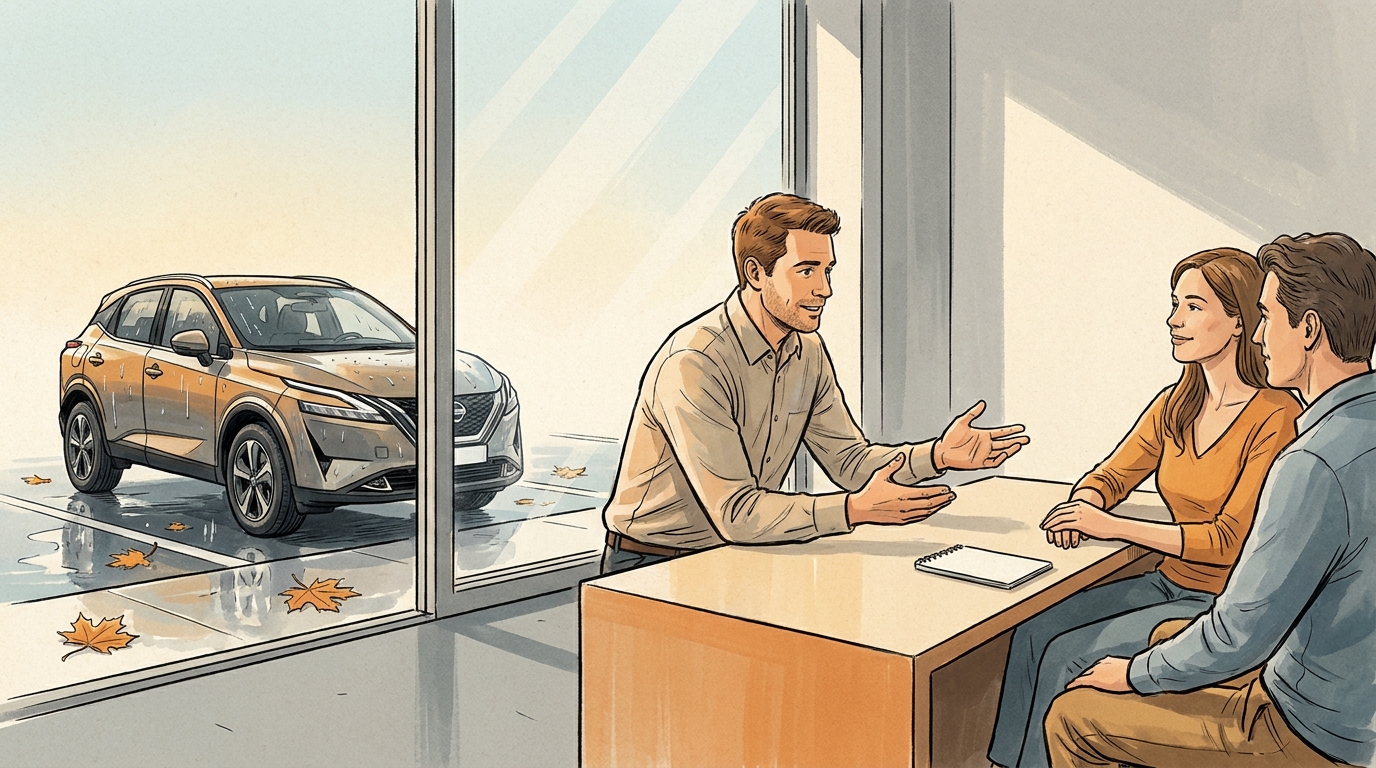
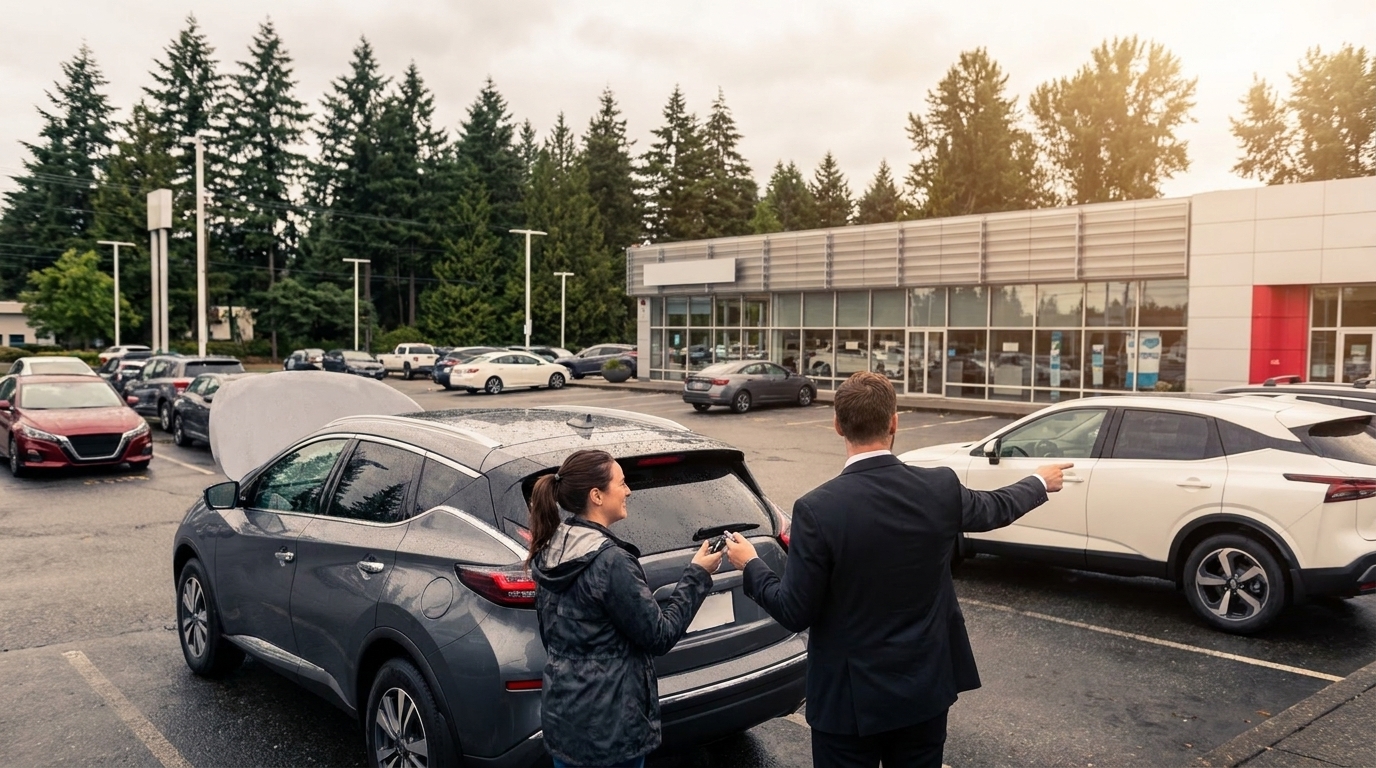
The single fastest way to raise a trade-in offer in Everett, WA is to arrive at the dealership with a clean vehicle, complete documentation, and at least one written competing appraisal in hand. Everything else — timing the market, choosing the right week to trade, understanding how Washington's sales tax rules affect the math — is optimization on top of that foundation. This checklist walks through what to do before the appraiser ever opens the driver's door.
Why Preparation Changes the Number a Dealer Will Write
Trade-in appraisals are a judgment call built on top of auction data, reconditioning cost estimates, and the appraiser's read of how quickly the car will move off the lot. Owners who reduce the appraiser's uncertainty — through service records, cosmetic prep, and clean documentation — routinely see stronger numbers because the dealer can price recon lower and retail confidence higher.
Washington does not publish a mandatory statewide appraisal formula, so the dealer's stated trade-in allowance is the number that governs both your check and your tax calculation. That makes the pre-visit prep the highest-leverage work an Everett owner can do.
The Pre-Visit Checklist: What to Do Before You Drive to the Dealership
1. Detail the Vehicle — Inside, Outside, and Underneath
A professional-grade detail is the highest-ROI investment before a trade appraisal. Appraisers dock value for anything that signals reconditioning cost: pet hair, curb rash on wheels, cloudy headlights, stained upholstery, or a cabin that smells like the last road trip.
- Wash, clay-bar, and wax the exterior; touch up rock chips with matching paint.
- Shampoo carpets and floor mats; wipe down every hard surface.
- Restore foggy headlights — cloudy lenses read as an aged vehicle even when everything else is tight.
- Clean the engine bay lightly; a tidy bay signals a maintained car.
- Remove personal items, garage door openers, and paired phones from the infotainment system.
Everett's marine-influenced climate leaves salt film, moss, and pollen on paint that sits outside — particularly on vehicles parked near the waterfront or in shaded neighborhoods around Silver Lake and View Ridge. A same-week detail matters more here than it would in a drier market.
2. Assemble the Documentation Packet
Complete records let an appraiser justify a higher number to their used-car manager. Bring:
- Title (or current lienholder information and payoff amount)
- Current registration
- Both sets of keys and any key fobs
- Owner's manuals and any factory paperwork
- Service records — dealer printouts, independent shop invoices, or a maintenance app export
- Records of recent tires, brakes, battery, or timing service
- Carfax or AutoCheck report if you have one
If the car is financed, call the lender for a 10-day payoff quote before the appointment. Dealers can process the payoff, but knowing the number in advance keeps the negotiation focused on the trade value itself rather than on math the buyer hasn't seen.
3. Address Small Mechanical Issues — but Not Large Ones
Fix items that a buyer would notice on a five-minute test drive: burned-out bulbs, low washer fluid, a missing wheel cap, worn wiper blades, a dead key-fob battery. These are cheap to remedy and disproportionately affect first impressions.
Do not sink money into major repairs like a new transmission or timing chain before trading. Dealers recondition at wholesale cost and will not reimburse retail repair pricing. Disclose the issue instead and let it be priced into the offer.
4. Time the Market
Trade-in demand in the Puget Sound region is seasonal. AWD SUVs, crossovers, and trucks appraise stronger heading into fall as Everett buyers prepare for Cascade snow trips and wet-weather commutes on I-5 and US-2. Convertibles and sporty coupes appraise better in late spring. Fuel-efficient commuters hold value year-round given the region's traffic patterns.
Dealers also tend to appraise more aggressively at month-end and quarter-end when used-inventory targets are in play. Weekday appointments give the appraiser more time than a Saturday rush.
5. Get Competing Written Offers
An instant cash offer from a national online buyer, printed and dated, is the single most effective negotiation tool in a trade discussion. It establishes a wholesale floor the dealer must beat — or match while offering the Washington tax advantage described below.
Bring two if possible. Ranges vary widely by vehicle, mileage, and current auction conditions, so a single offer can be an outlier.
How Washington's Trade-In Tax Rules Affect the Real Number
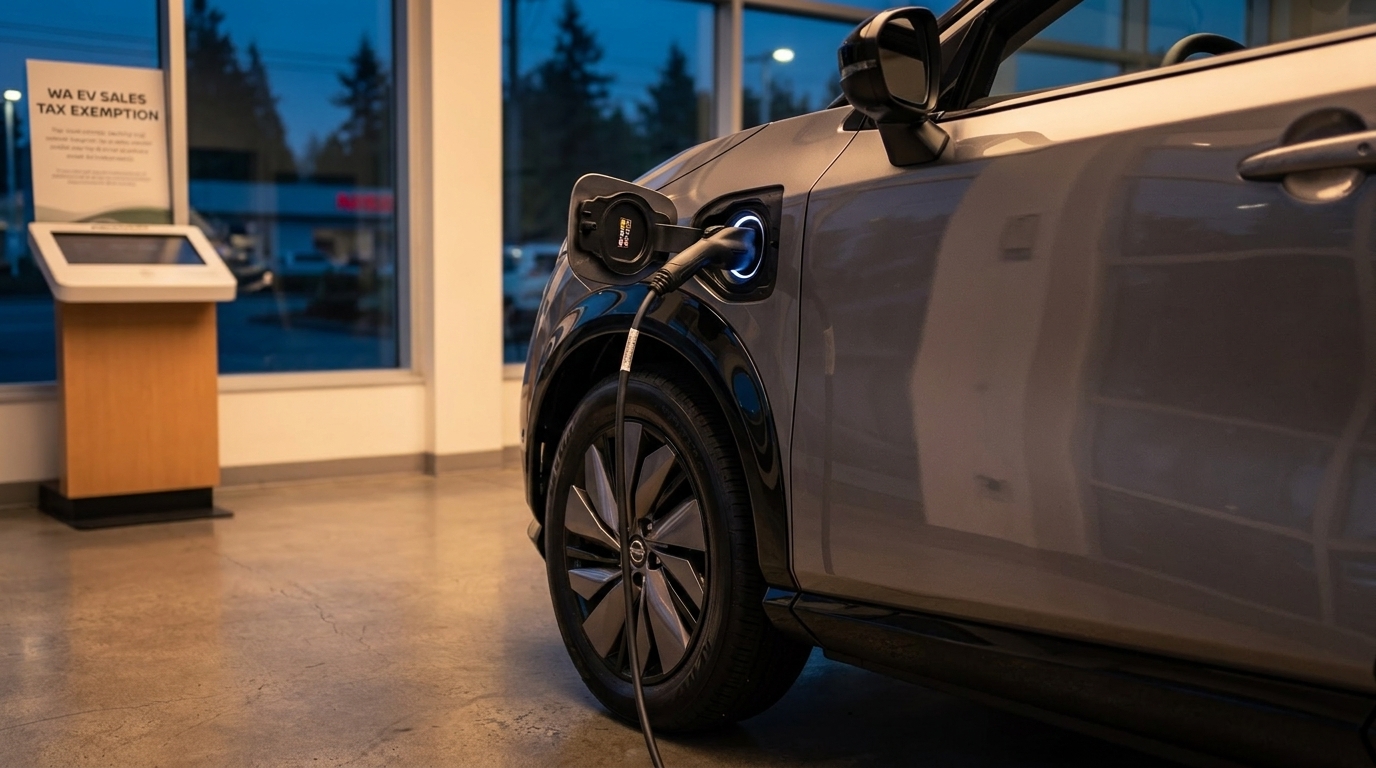
Washington allows a trade-in deduction that reduces the taxable selling price for ordinary motor vehicle sales tax when the trade is conducted through a licensed dealer. In practical terms, a $6,000 dealer trade-in allowance on a $40,000 new vehicle means sales tax is calculated on $34,000, not $40,000 — a meaningful savings that a private-party sale does not deliver.
That tax offset is why a dealer trade at slightly below the private-party price often nets more cash in the owner's pocket. When comparing a private buyer's offer to a dealer offer, run the math with sales tax included.
One exception matters for higher-end vehicles. Beginning January 1, 2026, Washington imposes an additional 8% luxury motor vehicle tax on the portion of a vehicle's selling price exceeding $100,000. For this luxury tax, the taxable base is calculated as the selling price plus trade-in property minus the $100,000 deduction threshold — meaning the trade-in does not reduce the luxury tax base the way it reduces ordinary sales tax. Buyers crossing the $100,000 threshold should factor that in when modeling trade economics. If the tax is not collected at sale, it is assessed when the vehicle is registered with the Washington Department of Licensing.
Title Transfer: Dealer Trade vs. Private Sale in Washington
Dealer-assisted trades in Washington typically include title and registration handling as part of the transaction, which is one of the practical reasons owners choose to trade rather than sell privately. For a private-party sale, the buyer and seller must complete title assignment, provide odometer disclosure for qualifying vehicles, and file a release of liability with the Washington Department of Licensing — the release being especially important, because until it is filed the seller remains on record as the responsible party.
Negotiating the Appraisal at the Dealership
Separate the trade discussion from the new-vehicle price discussion. Ask for the trade appraisal number in writing before discussing incentives, financing, or add-ons on the vehicle you are buying. Bundling the two conversations lets a dealer move money between line items in ways that obscure the real trade value.
If a competing written offer is higher, present it and ask the dealer to match or beat it. Reputable stores would rather match a documented number than lose the deal, and the Washington sales tax offset on the trade often makes the effective comparison favor the dealer even at parity.
Frequently Asked Questions
Does detailing really change what a dealer will pay?
Yes, meaningfully. A clean vehicle reduces the reconditioning budget the used-car manager has to allocate, and that budget comes directly out of the trade offer. A $150 detail commonly returns several hundred dollars in appraisal value.
Should I repair mechanical issues before trading in?
Fix cheap, visible items — bulbs, wipers, fluids, small cosmetic issues. Do not pay retail for major repairs; the dealer's wholesale reconditioning cost will always be lower than what an owner pays at a retail shop.
Is a Washington dealer trade-in better than selling privately?
Often yes, once the sales tax offset is included. A private sale may show a higher gross number, but the dealer trade reduces the taxable base on the ordinary motor vehicle sales tax for the replacement vehicle, plus eliminates the title-transfer and release-of-liability steps.
When is the best time of year to trade in Everett?
AWD and truck-body vehicles typically appraise strongest ahead of fall and winter demand in the Puget Sound region. Month-end and quarter-end weekday appointments generally give appraisers the most flexibility.
What documents does Washington require for a trade?
The title (or lienholder payoff information), current registration, valid ID, and both sets of keys are the baseline. Service records are not required but consistently move the number upward.
Closing Thoughts
Trade-in value in Everett is won in the driveway, not the showroom. A detailed vehicle, complete documentation, competing written offers, and a calendar-savvy appointment consistently outperform showing up unprepared and negotiating from scratch. The Washington sales tax offset on dealer trades adds a further edge that most private-sale comparisons miss.
Owners who want the process handled professionally can bring their vehicle to Nissan of Everett at https://www.nissanofeverett.com for an appraisal and a walk-through of how the trade credit will apply to their next vehicle purchase.