Why Everett Used Car Dealers Are Switching to Digital-First Sales Processes
How Everett used car dealers are adopting digital-first sales — and what online car buying, virtual financing, and home delivery mean for Snohomish County shoppers.
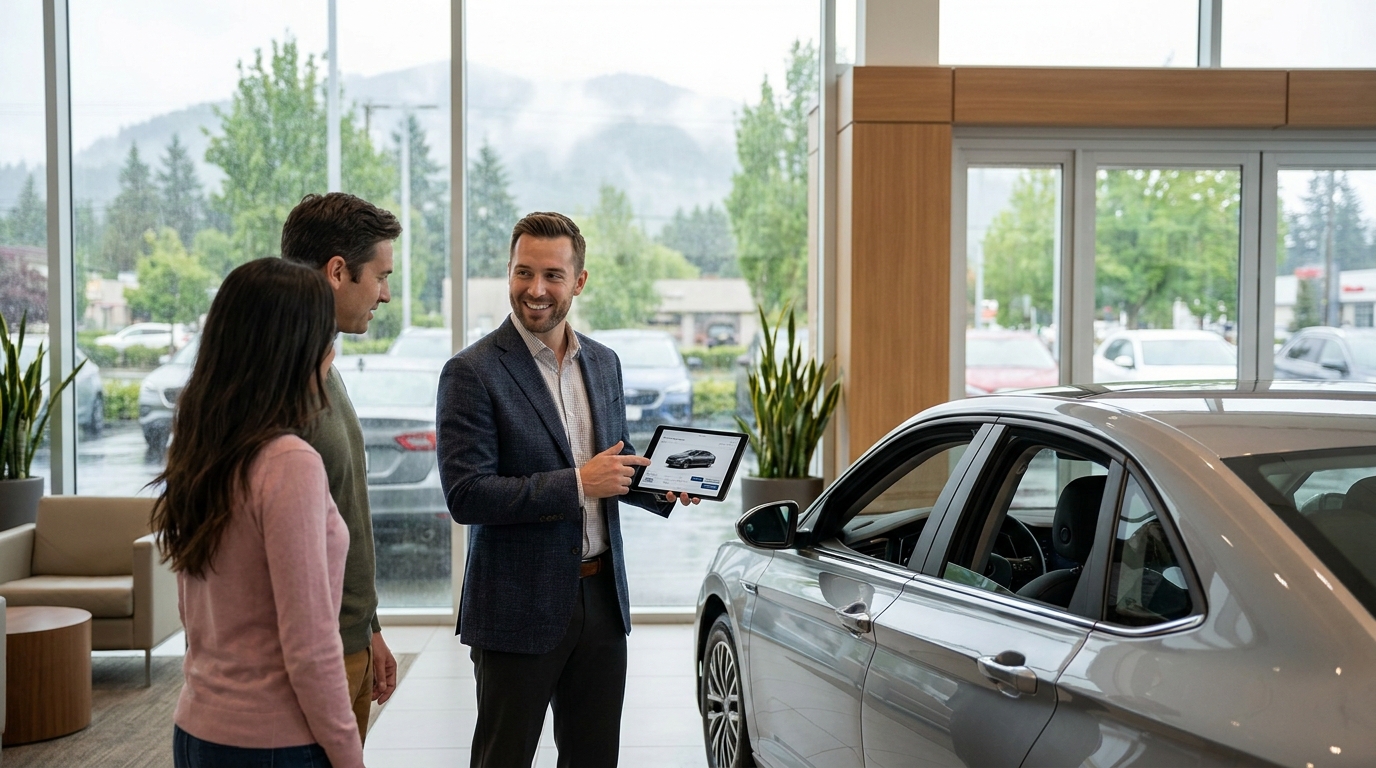
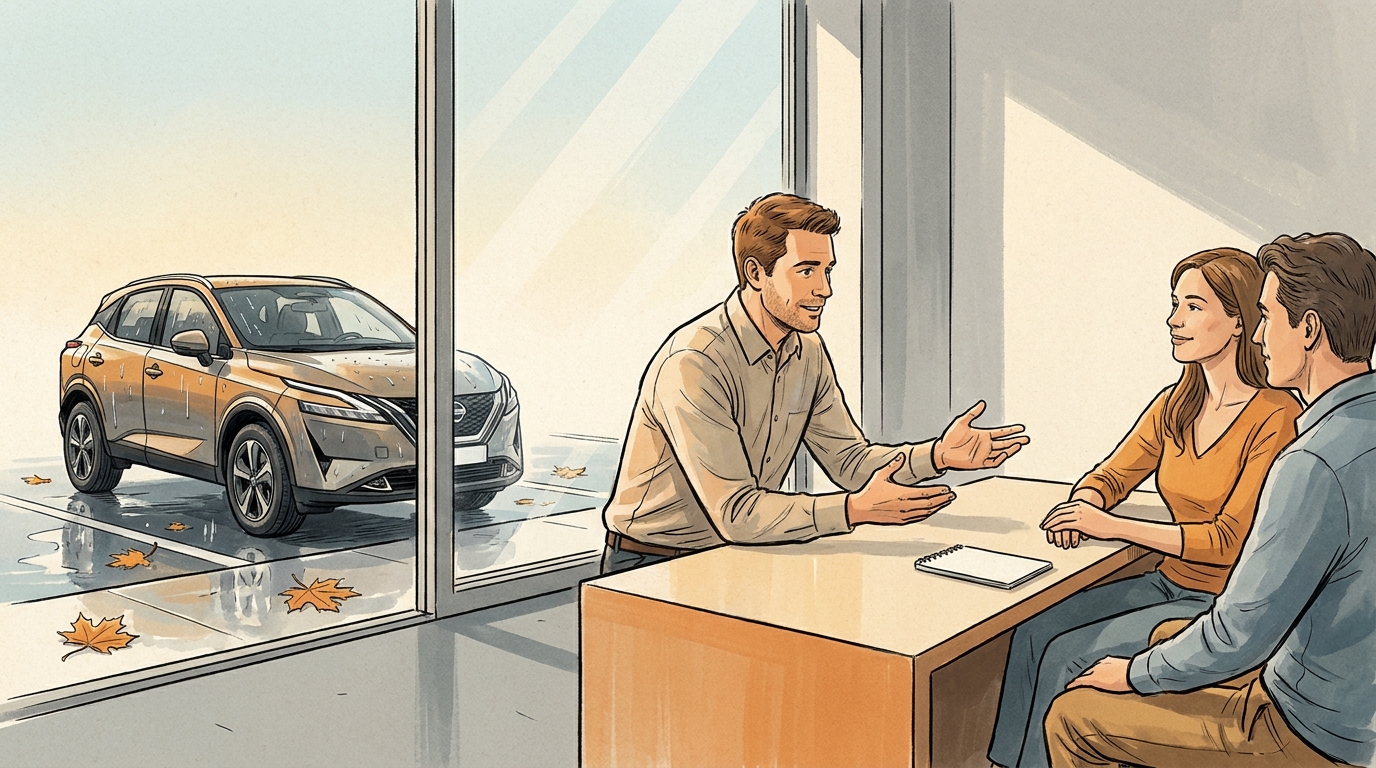
Walk onto any used car lot along Evergreen Way in 2026, and the experience looks fundamentally different from what it did five years ago. Salespeople meet customers who have already configured their financing, scheduled their test drive, and reviewed the vehicle history report — all before stepping out of the car. The traditional showroom shuffle has been quietly replaced by something more efficient, and for used car dealers across Everett, this digital transformation is no longer optional.
The shift toward online car buying has accelerated faster in the Puget Sound region than in many other U.S. markets, driven by a tech-fluent population, congested I-5 commutes that make in-person visits costly in time, and a generation of buyers raised on Amazon-grade convenience. Everett used car dealers who have leaned into digital-first sales processes are seeing the operational and customer-experience benefits compound — while those still relying on the old playbook are finding it harder to compete.
The Forces Driving Everett's Digital Transformation
Several factors specific to the Everett market have made digital-first sales especially compelling. The city's geography — stretched along the I-5 corridor from Silver Lake down through the Boeing campus and the Naval Station Everett area — means many shoppers face real friction visiting multiple dealerships in person. A buyer in Mill Creek or Lake Stevens may need 90 minutes round-trip in afternoon traffic just to look at one vehicle.
The region's weather plays a role as well. The wet, gray stretch from October through April pushes more car shopping online, where high-resolution photo galleries, 360-degree interior views, and walk-around video tours replace damp lot visits. Dealers who invested in serious photography studios and video infrastructure during the past few years are reaping the rewards now.
Demographics matter too. Snohomish County's median age skews younger than Washington's statewide average, and a meaningful share of buyers work in tech, aerospace, or healthcare — sectors where remote workflows are second nature. These customers expect to handle complex transactions digitally, and they treat a clunky online experience as a signal of broader operational weakness.
What a Digital-First Used Car Sales Process Actually Looks Like
The phrase "digital transformation" gets used loosely. In the used car context, it refers to a specific set of capabilities that customers can complete remotely, with the in-person portion reduced to test drive, final inspection, and key handoff.
Online inventory with full transparency
Modern dealers publish every used vehicle with VIN-level detail: complete photo sets, Carfax or AutoCheck reports linked directly, recent service records, and any reconditioning notes. Pricing is firm and posted — no "call for price" gimmicks. This level of disclosure has become table stakes for serious Everett used car dealers.
Digital financing and credit applications
Buyers can submit a credit application, receive pre-qualification, and review loan terms from multiple lenders before ever speaking with a finance manager. Washington state's licensing and disclosure framework still requires specific documents to be signed in person or through approved e-signature workflows, but the substantive negotiation now happens online. Dealers like Nissan of Everett offer financing options that can include no down payment in most cases, with the ability to roll taxes, registration, and fees into the deal — and most loan terms fall between 48 and 72 months.
Trade-in valuations remotely
Customers upload photos, mileage, and condition details of their current vehicle and receive a firm offer — often within an hour. The offer holds for a defined window, removing the anxiety of an in-person negotiation.
At-home test drives and delivery
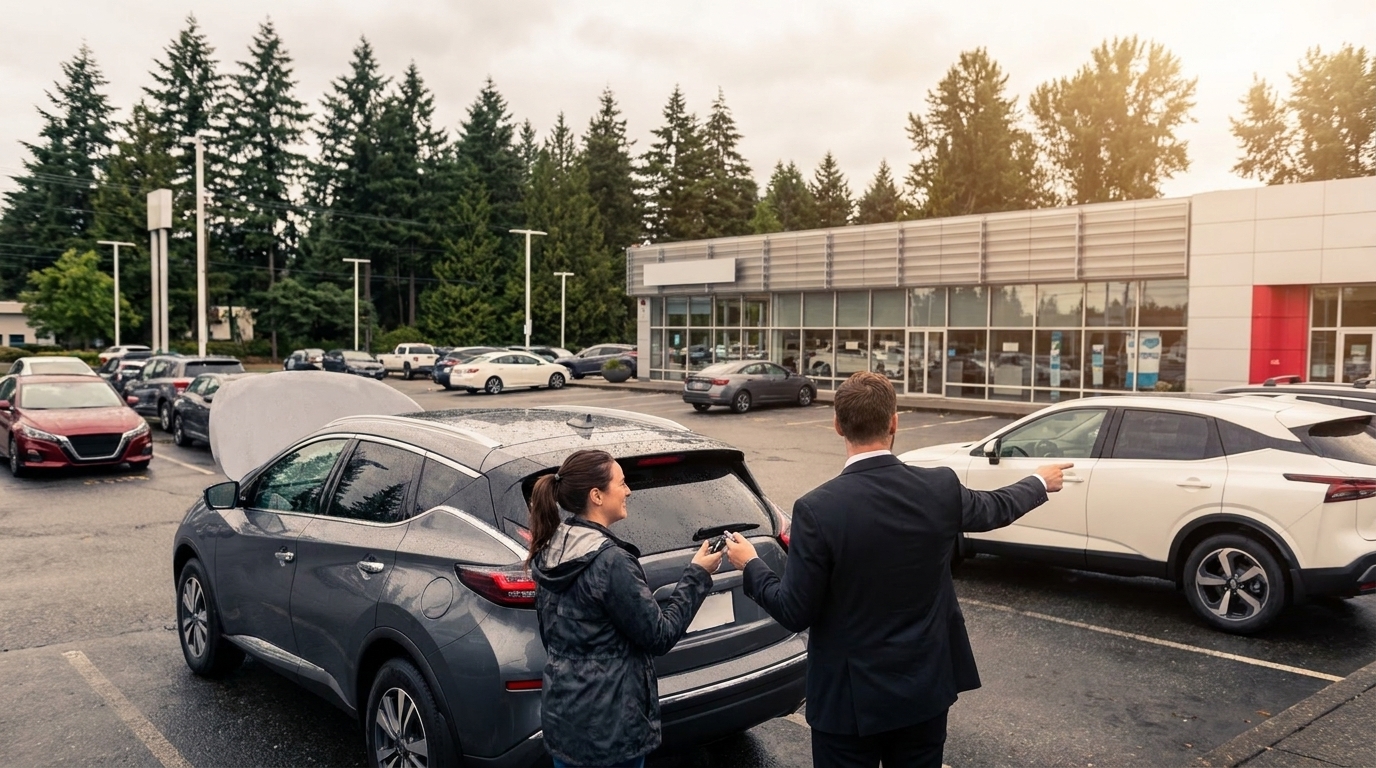
Several Everett-area dealers now bring vehicles to a buyer's home in Mukilteo, Marysville, or Edmonds for a test drive, and complete delivery the same way. For buyers near Paine Field or working long shifts at the Boeing assembly plant, this convenience is genuinely transformative.
The Operational Case for Going Digital
The customer-experience argument is well understood. The internal business case is equally strong, and it is what has convinced reluctant dealer principals to commit budget to the transformation.
Digital-first processes shorten the average transaction time significantly. A used car sale that historically consumed four to six hours of showroom time can be completed in 60 to 90 minutes when the financing, trade valuation, and document prep happen in advance. That throughput improvement matters enormously in a market where qualified sales staff are hard to recruit and retain.
Inventory turn improves as well. Vehicles photographed and listed within 24 hours of acquisition sell measurably faster than those that sit unphotographed for a week. Dealers who treat their merchandising operation as a digital marketing function — rather than an afterthought handled when someone has time — see real results in days-to-sale metrics.
Customer acquisition costs also shift. Traditional advertising spend on radio and print is being redirected toward search, social, and inventory syndication platforms where buyers actually start their journey. The dealers who measure cost-per-lead and cost-per-sale across digital channels are making smarter spending decisions than those still buying media on instinct.
Where the Human Element Still Matters
None of this means the salesperson is obsolete. Quite the opposite — when administrative friction is removed, the human interaction that remains becomes more important, not less. The test drive, the walkthrough of features, the trust-building conversation about long-term ownership — these moments now carry more weight because they are the only in-person touchpoints.
This is reflected in how customers talk about their experiences. Nissan of Everett holds a 4.4-star rating across more than 1,000 Google reviews as of April 2026, with recurring praise for sales staff described as patient, knowledgeable, and respectful. One customer wrote, "This was the best car shopping and buying experience I could ask for," crediting a salesperson who listened, understood their goals, and offered options that fit their needs. Another recent reviewer noted that staff "made me feel like a king from the first encounter — absolutely nothing but pure professionalism to the highest degree." That kind of feedback reflects what digital-first done right looks like: the process is smoother, but the people still matter.
Common Pitfalls in Digital Transformation
Not every dealer that announces a digital initiative actually delivers a better experience. The most common failures share a pattern.
- Half-finished workflows. Listing inventory online but requiring a phone call to get real pricing defeats the purpose. Buyers can tell when transparency is performative.
- Disconnected systems. A digital credit application that the finance manager re-enters into a separate system creates errors and delays. The backend integration matters as much as the front-end interface.
- Underinvestment in photography. Cell-phone snapshots taken in poor light on a rainy Everett afternoon do not sell cars. Serious dealers have dedicated photo bays with consistent lighting.
- Ignoring response time. A buyer who submits an inquiry at 9 p.m. and hears nothing until the next afternoon has already moved on to the next listing.
FAQs About Digital Used Car Buying in Everett
Can a used car really be purchased entirely online in Washington?
Most of the transaction can happen online, including credit application, trade appraisal, and price negotiation. Washington state requires certain title and registration documents to be executed in specific ways, but reputable dealers handle that paperwork through approved e-signature platforms or in-person at delivery.
How are trade-ins handled in a digital process?
Buyers submit photos, mileage, and a condition description, and the dealer issues a written offer valid for a defined period. A final inspection at delivery confirms the offer or adjusts it if condition differs materially from what was described.
Is financing online better than at the dealership?
It is often the same lenders and the same rate sheets — the difference is that buyers have time to review terms without pressure. That alone tends to produce better decisions.
What if the vehicle isn't right after delivery?
Return policies vary by dealer. Buyers should confirm the specific policy in writing before delivery — including the window for return, any mileage limit, and any fees that apply.
Do Everett dealers offer home delivery for used vehicles, or is that only for new cars?
Home delivery is available for used vehicles at several Everett-area dealers, not just new-car purchases. The logistics vary by dealership — some bring the vehicle to your driveway for a test drive before any commitment, while others complete the full transaction remotely and deliver at signing. Contact Nissan of Everett to confirm the current delivery options available for used inventory.
How does a digital-first dealership handle the paperwork that Washington state still requires in person?
Washington state mandates specific title and registration documents be executed through approved channels. Most digital-first dealers use state-approved e-signature workflows for eligible forms and complete any remaining documents at delivery — keeping the in-person visit brief. The core negotiation, financing approval, and trade appraisal all happen beforehand, so the paperwork portion at pickup is straightforward and fast.
The Road Ahead for Everett Used Car Dealers
The dealers thriving in Everett's used car market in 2026 are the ones who have stopped treating digital as a marketing channel and started treating it as the core sales operation. Showrooms still matter. Test drives still close deals. But the journey that leads up to that moment is now overwhelmingly online — and the dealers who respect that reality are the ones earning customer trust and repeat business.
For Everett shoppers researching their next used vehicle, the practical advice is straightforward: prioritize dealers who publish full pricing, provide complete vehicle history, respond quickly to inquiries, and make the digital portion of the process genuinely useful rather than a marketing veneer. Contact Nissan of Everett at (425) 347-5763 or visit www.nissanofeverett.com for shoppers who want to evaluate inventory, request a trade appraisal, or start a financing conversation from home before visiting the lot at 10500 Highway 99, Everett, WA 98204.
"