Trading a Gas Car for a Nissan EV in Everett, WA (2026)
What Everett drivers lose by waiting to trade a gas car for a Nissan EV — tax changes, residual values, and when the switch still pays off.
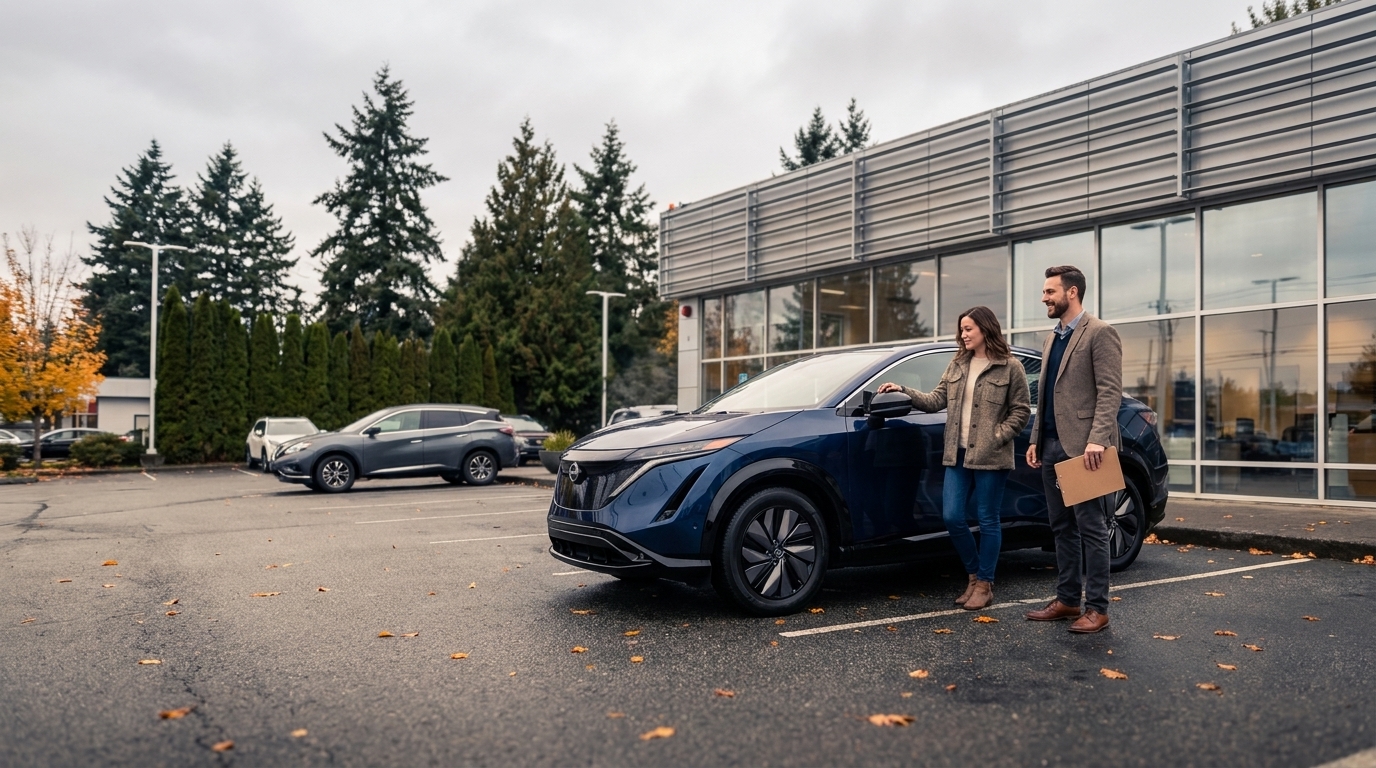
Trading a gas car for a Nissan EV in Everett right now means accepting a different math than existed even a year ago. The cost of waiting is no longer measured against those incentives — it's measured against the accelerating depreciation of combustion vehicles as EV adoption spreads.
Is now still a good time to trade a gas car for a Nissan EV in Everett?
Yes, but the calculus has shifted from chasing incentives to protecting trade-in equity. With Washington's strong EV adoption trajectory and Snohomish County's charging infrastructure expanding under Snohomish PUD's Electric Transportation Plan, demand for gas vehicles in the local used market is softening. Each quarter a commuter delays, the gas car's residual value typically slides further while EV inventory diversifies.
Nissan of Everett, at 10500 Highway 99, carries the Nissan EV and electrified lineup Everett shoppers are cross-shopping against their current gas vehicles. For buyers weighing the LEAF or the plug-in Rogue against another year in a combustion sedan or SUV, the trade-in appraisal is where the cost of waiting shows up first.
What does waiting actually cost an Everett gas-car owner in 2026?
Waiting costs three things: trade-in equity, tax leverage on the new purchase, and the federal used-EV credit that no longer exists.
A dealer trade-in applied at the point of sale can still reduce the taxable selling price of the new vehicle, which is one of the few remaining levers Everett buyers have. The longer a gas trade sits in the driveway, the smaller that lever becomes as its appraised value drops.
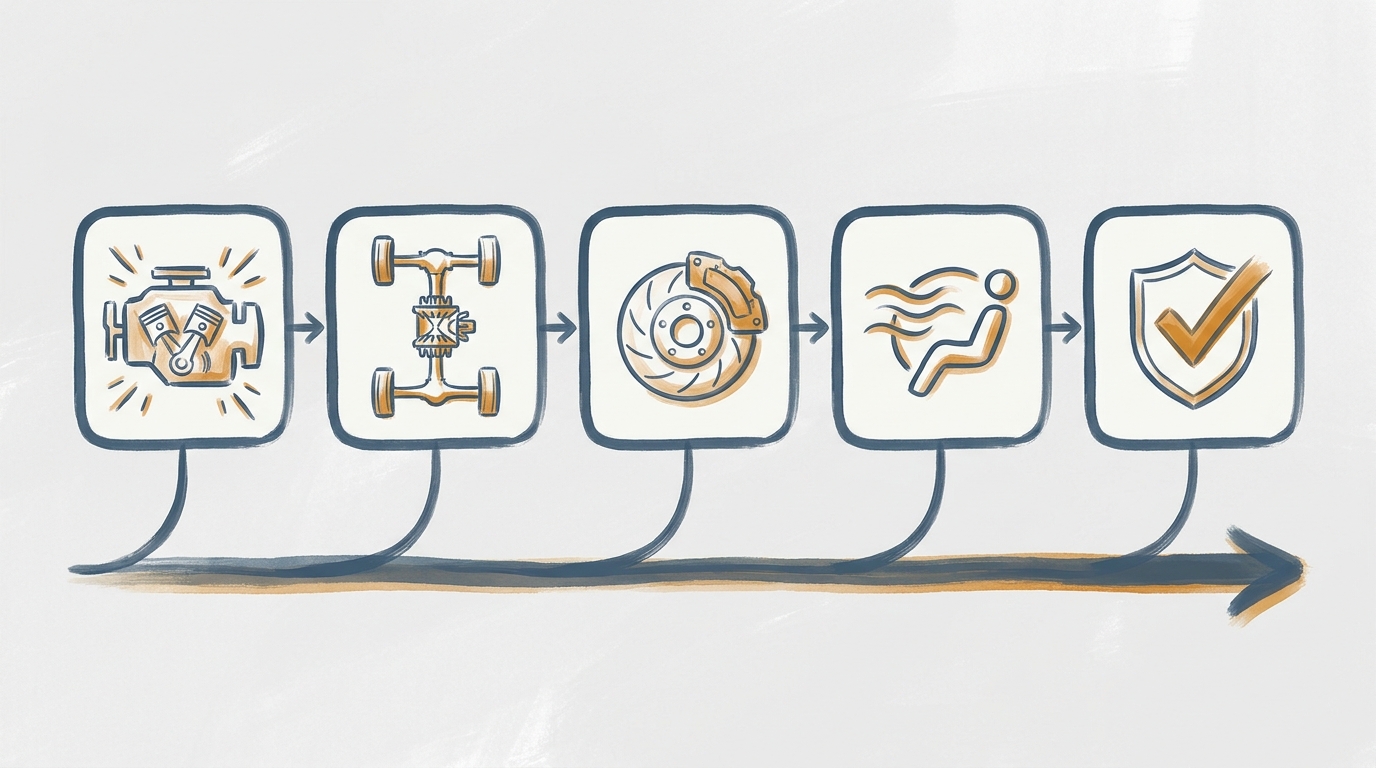
The three stages of delay
| Delay window | What typically changes | Lever lost |
|---|---|---|
| 0–6 months | Gas vehicle depreciates at normal clip; EV inventory stable | Minor equity erosion |
| 6–18 months | Local EV adoption rises; gas residuals soften faster than national average | Trade-in appraisal weakens materially |
| 18+ months | Combustion resale demand narrows; wholesale buyers discount aggressively | Trade-in may no longer offset a meaningful share of the new EV's taxable price |
How does Washington's expired tax exemption change the trade-in math?
For private-party purchases, use tax is calculated as the 0.3% motor vehicle sales and use tax plus the sales tax rate at the buyer's registered address, applied to the fair market value from Price Digests. Dealer transactions apply standard sales tax to the selling price after any trade-in allowance.
That makes the dealer trade-in path structurally more attractive than a private sale followed by a separate dealer purchase, because the trade credit can reduce the taxable amount on the new vehicle. Buyers should request a written itemized estimate showing the taxable amount, trade-in allowance, sales/use tax, registration, and Washington's additional plug-in vehicle registration fees before signing.
Which Nissan EV or electrified model fits an Everett commute?
For most Everett drivers trading out of a gas sedan or small SUV, the 2026 Nissan LEAF, starting at $29,990 (as of October 2026) is the direct electric replacement, suited to the Puget Sound corridor's typical commutes between Everett, Lynnwood, and Seattle. The maritime climate — cool, wet winters and mild summers — is comparatively kind to EV batteries, though cabin heating in winter does reduce range.
Buyers who need longer trips to Eastern Washington or who lack reliable home charging may prefer the 2026 Nissan Rogue Plug-in Hybrid, starting at $45,990 (as of October 2026) as a transitional step. For families cross-shopping larger gas SUVs, the 2026 Nissan Rogue, starting at $29,690 (as of October 2026) and the 2026 Nissan Pathfinder, starting at $39,990 (as of October 2026) remain in the lineup as hybrid-adjacent or efficient gas options while charging access expands. All MSRPs exclude destination fees, which Nissan of Everett will itemize on any quote.
When is waiting actually the right call?
Waiting makes sense in a few specific situations. Renters or apartment residents in Everett neighborhoods without reliable Level 2 charging access — common in parts of the city served primarily by on-street parking — may be better served by waiting until a home-charging solution is confirmed or until public charging on their regular routes is verified reliable. The Washington Department of Commerce continues to fund charging buildout, but availability varies block by block.
Waiting also makes sense if a current gas vehicle is less than two years old and still carries significant positive loan equity that hasn't yet eroded.
What should Everett buyers bring to a trade-in appraisal?
Bring the title or current loan payoff statement, both key fobs, service records, and a realistic independent valuation from a recognized guide. For private-party comparisons, Washington DOL uses Price Digests fair market values to calculate use tax, which gives a useful external benchmark against any dealer appraisal. Buyers should also confirm whether a Sound Transit regional motor-vehicle excise tax applies at their registered address through Washington DOL before finalizing numbers.
A recent customer callout on the Nissan of Everett sales experience:
"with me to get exactly wanted/needed, they’re extremely kind and helpful. Overall would absolutely recommend Teagan from Nissan of Everett to anyone/everyone!" — 5★ · Raven, Sep 2026
Frequently asked questions
Can I still get a federal tax credit on a used Nissan EV purchased in Everett?
Buyers should verify current federal New Clean Vehicle Credit eligibility directly with the IRS before assuming any federal credit applies to a new EV purchase.
Does Washington still exempt EVs from sales tax?
All EV purchases after that date — new or used, dealer or private party — are subject to full sales and use tax. When active, the exemption applied to new vehicles up to $45,000 and used vehicles up to $30,000, and a trade-in could not be used to bring a price below those thresholds.
How is Washington use tax calculated on a private-party EV purchase?
Washington use tax equals the 0.3% motor vehicle sales and use tax plus the sales tax rate at the buyer's registered address, applied to the vehicle's fair market value from Price Digests.
Will my gas car lose value faster because Washington is pushing EVs?
Likely yes, at the margin. Washington has adopted Advanced Clean Cars II zero-emission vehicle regulations that apply to manufacturers and dealers, reflecting strong state-level policy pressure toward EV adoption.
Is the Nissan LEAF enough range for an Everett-to-Seattle commute?
Cold or wet winter weather can reduce usable range because cabin heating increases energy draw.
Can a trade-in reduce the sales tax on a new EV in Washington?
Yes. In a dealer transaction, the trade-in allowance reduces the taxable selling price of the new vehicle, which lowers the sales tax owed. This is one of the main remaining tax levers for Washington EV buyers now that the clean-vehicle exemption has expired. Buyers should request a written itemized estimate showing the trade-in allowance, taxable amount, and all fees before signing.
Making the decision
The practical decision rule: if the current gas vehicle has more than 60,000 miles, if home or workplace charging is confirmed available, and if the household budget absorbs full Washington sales tax on the EV purchase, the switch generally pencils out sooner rather than later.
Readers in Everett who want to run the actual trade-in and purchase numbers can reach Nissan of Everett at (425) 347-5763 or https://www.nissanofeverett.com for a written appraisal and itemized out-the-door estimate.