Step-by-Step Guide to Snohomish Area Car Dealer Vehicle Appraisal and Trade-In Process
A practical 2026 guide to the Snohomish car dealer vehicle appraisal and trade-in process, from prep to paperwork — what to expect and how to maximize value.
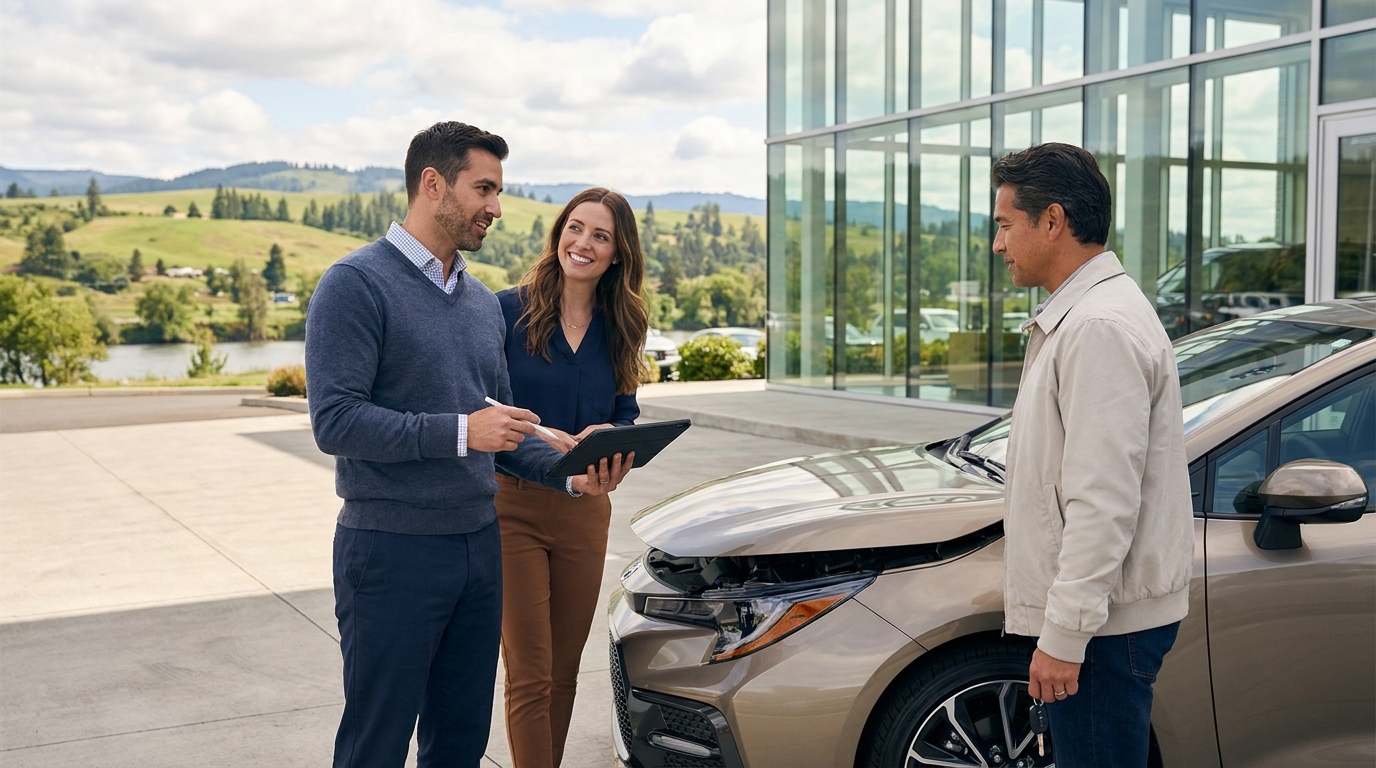
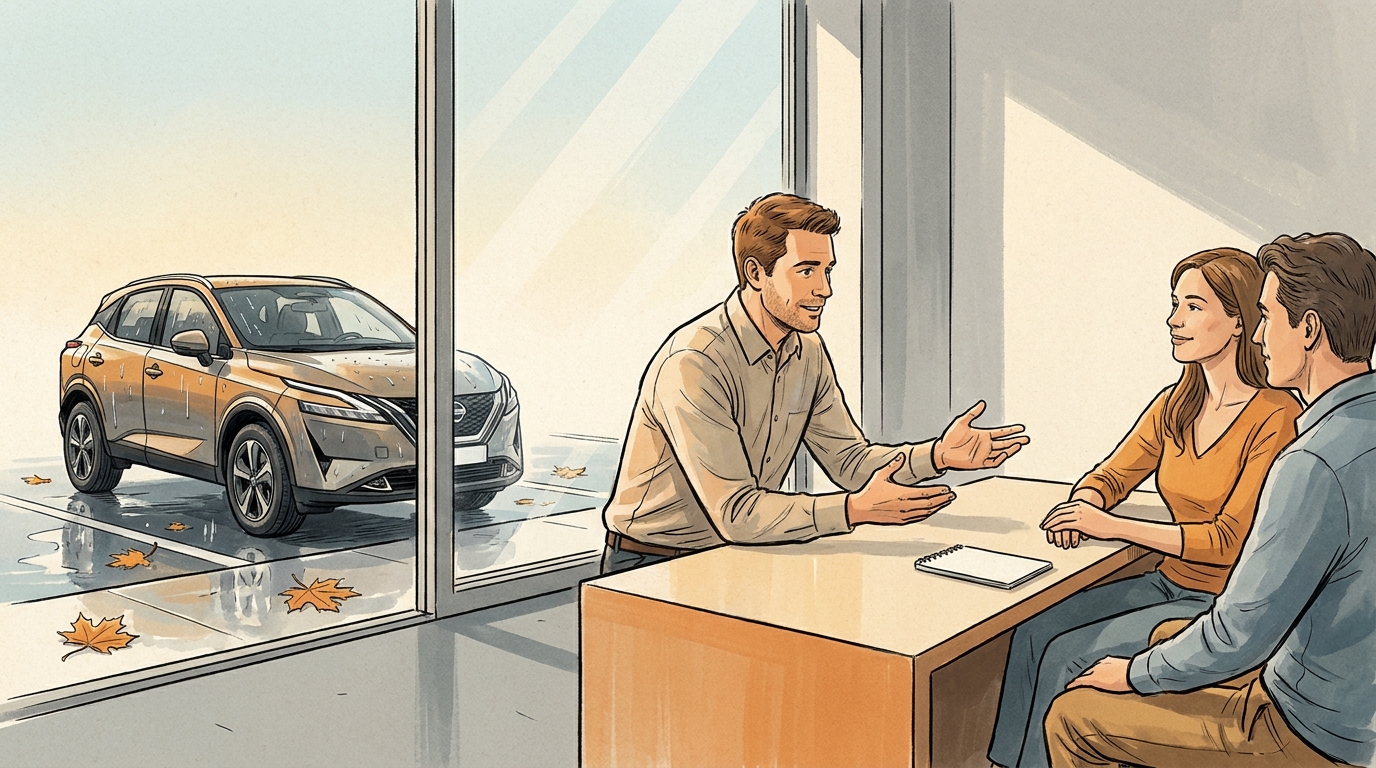
For drivers in Snohomish weighing whether to trade in a current vehicle or sell it privately, the appraisal process is where most of the uncertainty lives. What will the dealer offer? How is that number calculated? And how does the trade-in actually fold into the new purchase? This guide walks through the Snohomish car dealer vehicle appraisal and trade-in process step by step, with the local context — Washington tax rules, Pacific Northwest weather wear, and Snohomish County registration realities — that generic national guides tend to skip.
How a Snohomish Car Dealer Vehicle Appraisal Actually Works
A trade-in appraisal is the dealer's structured estimate of what your vehicle is worth as inventory. It is not the same as a private-party sale price, and it is not the same as the trade-in figures shown on consumer valuation sites — those are starting points, not offers. The appraisal accounts for the dealer's reconditioning costs, auction comparables, current local demand, and the vehicle's specific condition on the day it is inspected.
In the Snohomish and broader Puget Sound market, used car demand patterns shift seasonally. All-wheel-drive SUVs, hybrids, and clean-title commuter sedans tend to hold stronger trade values heading into the wet fall and winter months, while convertibles and rear-wheel-drive performance cars typically appraise more favorably in late spring. Timing alone can move a vehicle valuation by a meaningful margin.
Step 1: Gather Your Documents Before You Drive In
Before a dealer can finalize a trade-in appraisal, certain paperwork has to be in order. Arriving prepared shortens the visit and prevents last-minute surprises during the deal structure.
- Washington vehicle title (or current lender information if there is a loan payoff)
- Current registration
- Valid driver's license
- All keys and key fobs — missing fobs can reduce an offer depending on the model
- Service records, especially for timing belt, transmission service, and major repairs
- Owner's manual and any factory accessories (cargo covers, roof rack hardware, charging cables for EVs and hybrids)
If the vehicle is still financed, the dealer will request a 10-day payoff quote from the lienholder. This is normal — the trade-in value is applied against that payoff, and any equity (positive or negative) is rolled into the new purchase.
Step 2: Prepare the Vehicle for Inspection
Appraisers in the Snohomish area are looking at vehicles that have lived through wet winters, mossy carports, and the salt-and-grit road treatment used on Highway 9 and US-2 during cold snaps. A clean, well-presented vehicle signals that it has been cared for and gives the appraiser fewer reasons to discount.
- Wash and vacuum the vehicle — including under floor mats and inside the trunk
- Remove personal items, garage door openers, and toll transponders
- Address easy cosmetic issues: replace burned-out bulbs, top off washer fluid, clean headlight lenses
- Avoid expensive pre-sale repairs; dealers recondition in-house at wholesale cost, so a costly paint correction rarely returns its equivalent in appraisal value
What Appraisers Specifically Check in the Pacific Northwest
Beyond the standard mechanical and cosmetic walkaround, Snohomish-area appraisers tend to scrutinize a few region-specific items: undercarriage corrosion from chip-seal roads, water intrusion in sunroof drains and trunk seals, moss or oxidation on paint and trim, and tire tread depth (a real factor given local rain). Vehicles that have lived in a garage and been serviced regularly consistently appraise stronger than identical models that have weathered uncovered.
Step 3: The Dealer Walkaround and Test Drive
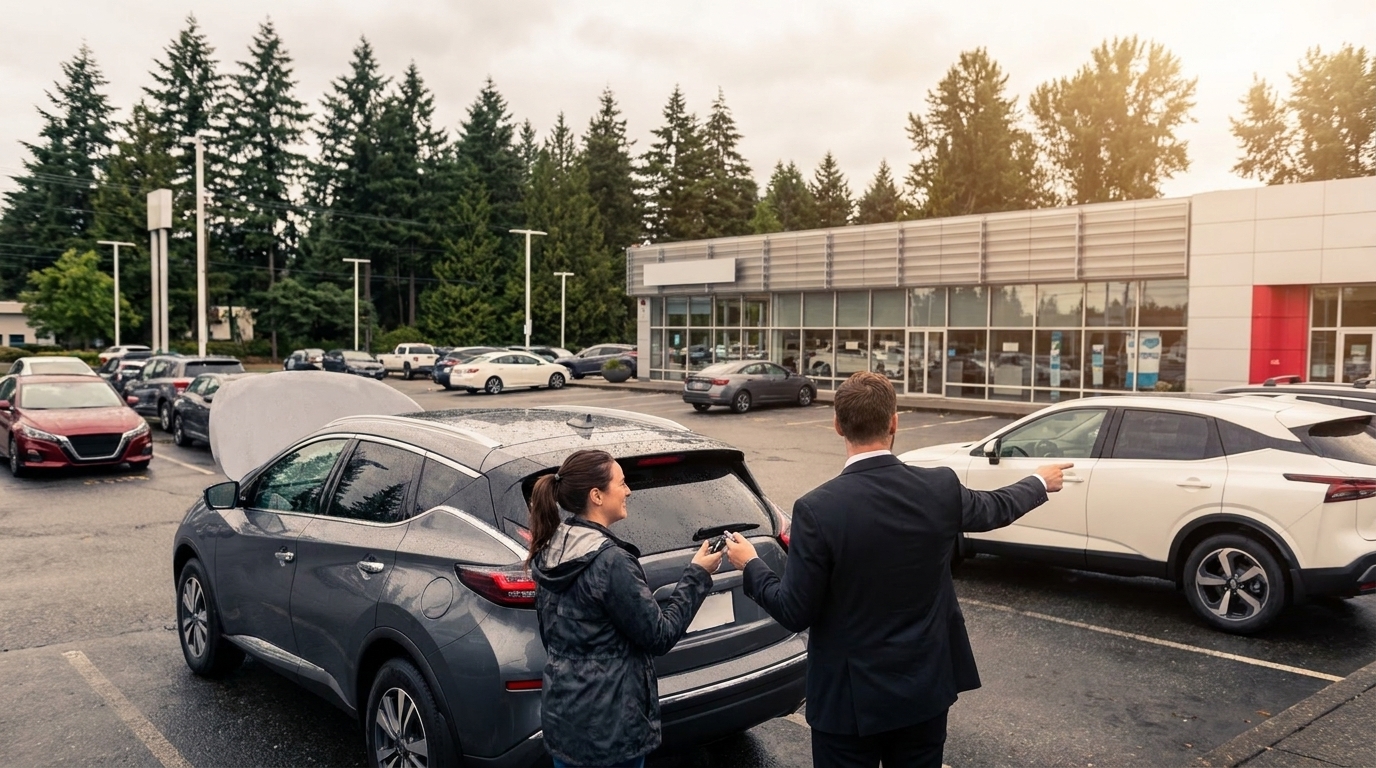
Once at the dealership, an appraiser — usually a used vehicle manager — performs a 15 to 30 minute evaluation. This typically includes:
- A VIN-based history check (accidents, title brands, prior registrations, open recalls)
- An exterior walkaround documenting dents, scratches, glass chips, and paintwork
- An interior inspection of upholstery, electronics, infotainment, and odor
- A short test drive to evaluate transmission shifts, brakes, suspension, alignment, and warning lights
- An under-hood and undercarriage look for leaks, modifications, or prior collision repair
The appraiser then cross-references recent wholesale auction data (Manheim and ADESA being the most common), local retail comparables, and the dealership's own inventory needs. The resulting figure is the offer.
Step 4: Reviewing the Offer and Negotiating
The first number is a starting point, not a final answer. Buyers who have done their homework — pulling KBB, Edmunds, and online instant-offer figures in advance — are in a stronger position to discuss the gap, if any. A reasonable dealer will explain how they arrived at their figure and what would need to be true for it to move.
Two things tend to widen an offer: presenting a competing written offer from another buyer (online car-buying platforms count), and using the trade-in as part of a same-day purchase. A dealer values a transaction that retires old inventory needs and brings in fresh trade stock in a single visit.
Step 5: How the Trade-In Affects Washington Sales Tax
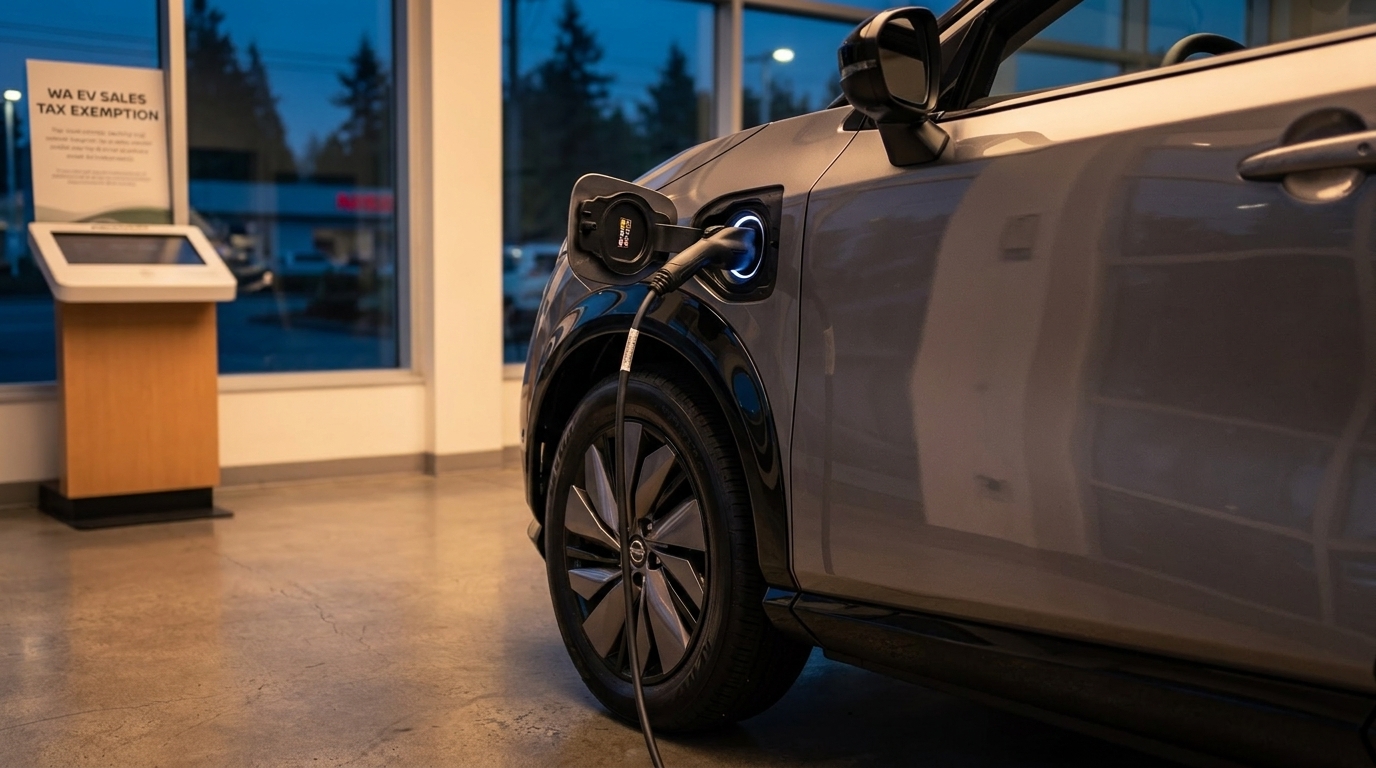
This is the step most national guides get wrong, and it matters significantly in Snohomish. Washington State allows a sales tax credit on the value of a trade-in when buying from a licensed dealer. Sales tax is calculated on the difference between the new vehicle's price and the trade-in allowance — not on the full purchase price.
For Snohomish-area buyers, where combined state and local sales tax rates typically land in the 9%+ range depending on the exact taxing district, this credit is substantial. A trade-in applied against a new purchase means tax is owed only on the net difference — a real-dollar savings that often makes a dealer trade more attractive than a private-party sale once the math is honest. This tax treatment applies only to dealer transactions; selling privately and then buying from a dealer does not preserve the credit.
Step 6: Closing the Paperwork
Once the appraisal is accepted and the new vehicle deal is structured, the dealership handles the title transfer, any lien payoff, and registration paperwork with the Washington Department of Licensing. Buyers should confirm the payoff amount on the buyer's order matches their lender's 10-day quote, verify the trade allowance is reflected on the taxable-amount line, and keep copies of everything.
FAQ: Snohomish Trade-In and Vehicle Appraisal
How long is a trade-in appraisal valid?
Most dealers honor a written appraisal for several days to a couple of weeks, depending on market volatility. Wholesale values can shift quickly, so a stale appraisal is sometimes re-evaluated.
Can a vehicle be traded in if it is worth less than the loan balance?
Yes. Negative equity can be rolled into the financing on the new vehicle, though buyers should weigh whether that makes long-term financial sense. Dealers will disclose the rollover amount clearly on the buyer's order.
Does mileage matter more than condition?
Both matter, but mileage tiers (under 60k, under 100k, under 150k) often act as pricing thresholds. A clean vehicle just under a tier line frequently appraises noticeably better than a comparable vehicle just over it.
Should the vehicle be sold privately instead?
Sometimes — but factor in the Washington sales tax credit, the time investment, safety considerations, and the risk of post-sale disputes. For many Snohomish drivers, the convenience and tax advantage of a dealer trade outweigh the marginal premium of a private sale.
Can I get a trade-in appraisal without buying a vehicle the same day?
Yes. Most dealers will appraise your vehicle with no obligation to purchase on the same visit. The written offer is typically valid for several days. Coming in with a separate appraisal is also a useful benchmark when you are ready to buy, since a same-day trade-in purchase often strengthens the final offer.
How does a recent service history affect my trade-in value?
Documented service history — oil changes, brake work, and scheduled maintenance — gives appraisers confidence that the vehicle has been maintained and reduces their estimated reconditioning risk. In the Pacific Northwest, where weather wear is real, a complete service record from a reputable shop can help support a stronger appraisal number. Contact Nissan of Everett to discuss how your vehicle's history may factor in.
Working With a Local Dealer in Snohomish
The appraisal process rewards preparation: clean documentation, an honest read on condition, an understanding of how Washington's trade-in tax credit changes the real math, and a willingness to ask the appraiser to walk through their numbers. Drivers in Snohomish who want a straightforward appraisal and trade-in process can contact Nissan of Everett at (425) 347-5763 or visit www.nissanofeverett.com to schedule a vehicle valuation. Nissan of Everett holds a 4.4-star rating from more than 1,071 Google reviews as of April 2026, and one customer summed up the experience well: "This was the best car shopping and buying experience I could ask for" — a useful reference point for anyone evaluating where to start.