Snohomish Car Dealership Negotiation Strategies That Actually Work
Practical negotiation strategies for Snohomish car buyers in 2026 — how to research, leverage trade-ins, and close a fair deal at a local Nissan dealership.

Walking onto a dealership lot in Snohomish County without a negotiation plan is the fastest way to leave money on the table. Vehicle prices have stabilized somewhat in 2026 after several volatile years, but the gap between what an unprepared buyer pays and what a prepared buyer pays remains significant — often thousands of dollars on a single transaction. The strategies below reflect how negotiations actually unfold at a new car dealer, not how internet folklore says they do.
Understand the Snohomish Market Before Setting Foot on a Lot
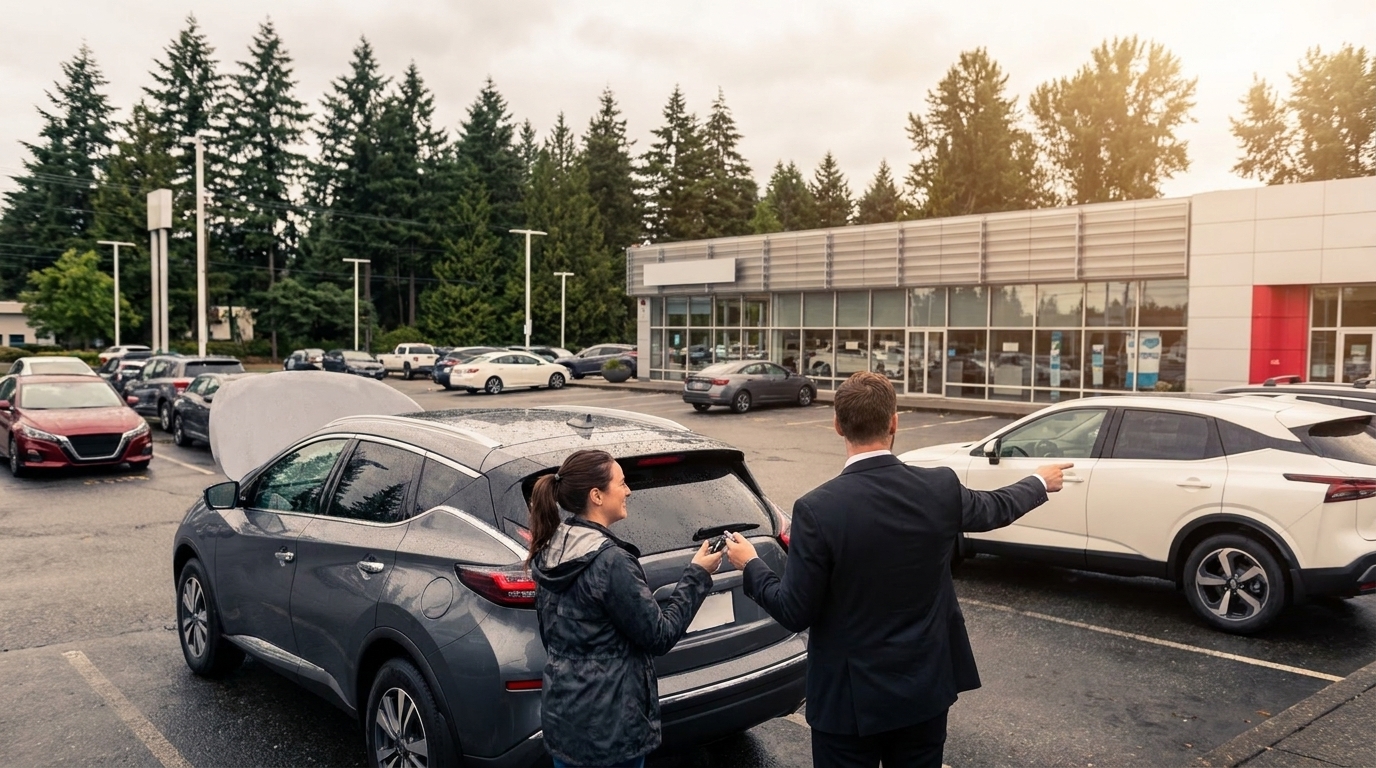
Snohomish sits in a unique automotive market. Buyers here pull from inventory across the Highway 9 corridor, the Bothell-Everett Highway dealerships south toward Mill Creek, and the larger Broadway auto row in Everett. That geographic spread means shoppers have real leverage — but only if they use it.
Washington's wet climate also shapes which features matter at negotiation time. All-wheel drive, heated seats, and quality wiper systems carry genuine value for buyers commuting from Snohomish over to Bothell, Lynnwood, or Seattle in winter rain. Knowing which options are genuinely useful versus dealer-installed add-ons that inflate the sticker is half the battle.
Before any conversation about price, buyers should know three numbers: the invoice price of the vehicle they want, the current local market average (Snohomish County listings give a tighter read than national averages), and the trade-in value of their current car from at least two independent sources.
Washington Sales Tax Reality Check
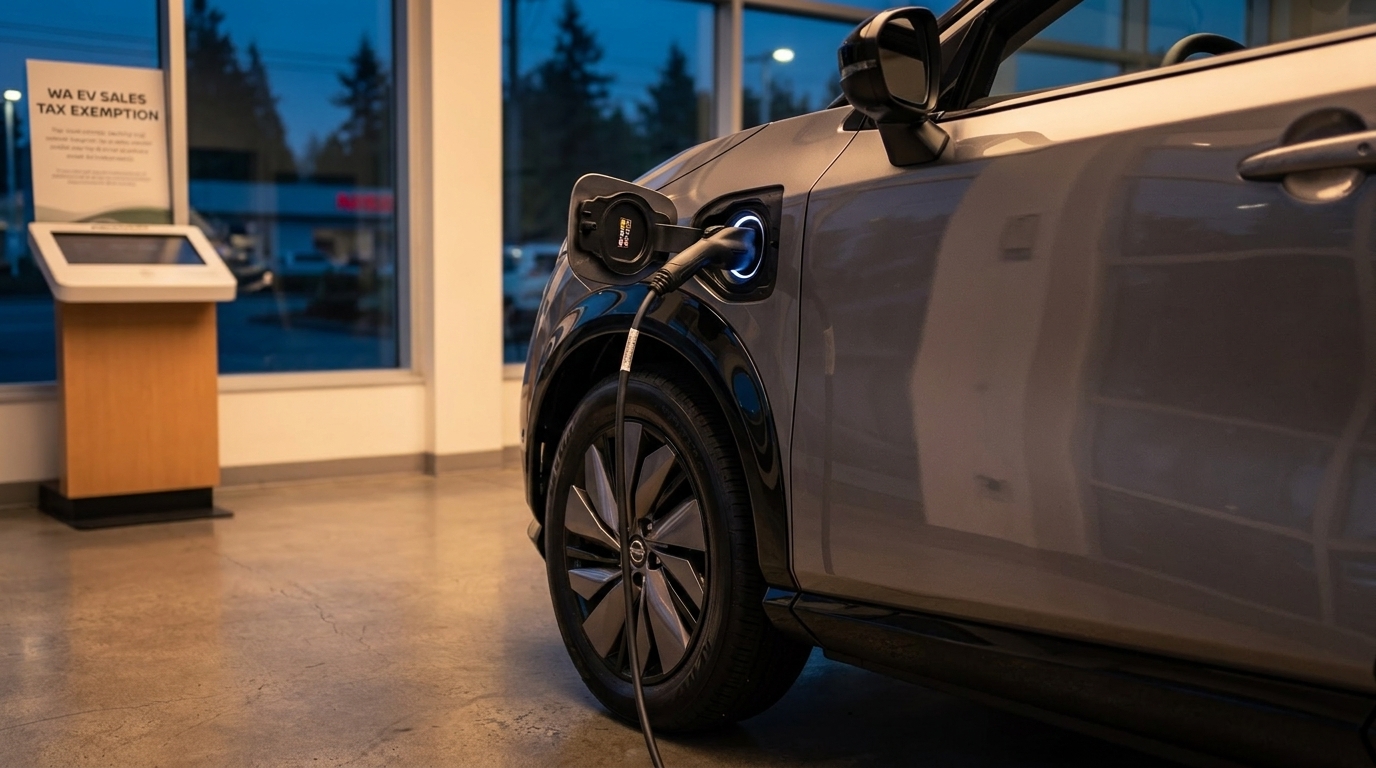
One jurisdictional point matters enormously in Snohomish: Washington offers a trade-in tax credit. Sales tax is calculated on the difference between the new vehicle's price and the trade-in allowance, not the full purchase price. Combined state and local sales tax in Snohomish runs above 9%, so the tax savings from a trade-in credit can be meaningful — contact Nissan of Everett for a current quote based on your specific vehicle and trade-in situation.
This changes negotiation strategy. Buyers who sell privately to chase a slightly higher number sometimes lose the tax advantage entirely. Running both scenarios — private sale versus dealership trade — with the actual Snohomish tax rate applied is the only way to know which path nets more money.
The Four-Number Framework
Effective price negotiation at any new car dealer comes down to keeping four numbers separate and never letting them be combined into a single "monthly payment" conversation:
- The out-the-door price of the new vehicle — including all fees, but isolated from financing and trade.
- The trade-in value — negotiated as its own transaction with its own documentation.
- The financing terms — APR, term length, and any prepayment conditions.
- Add-ons and protection products — extended warranties, paint protection, gap insurance, and similar items.
Dealerships that operate transparently will work through these one at a time. Buyers who insist on this structure consistently report better outcomes than those who walk in asking "what can I get for X per month?" — a question that gives the dealer four variables to adjust at once, three of which the buyer often isn't tracking.
Timing Matters More Than Most Buyers Realize
End of month and end of quarter remain the strongest negotiation windows, because sales staff and managers have unit targets tied to manufacturer incentives. In the Pacific Northwest, late fall through early spring also tends to see softer foot traffic — rain keeps casual browsers away, which means serious buyers get more attention and more flexibility.
Model-year transitions are another window. When new-model-year Nissan inventory begins arriving at Snohomish-area lots, remaining current-year units carry built-in incentive pressure. Buyers who don't need the very latest model year often find the strongest deals on outgoing inventory.
What to Say (and Not Say) During Price Negotiation
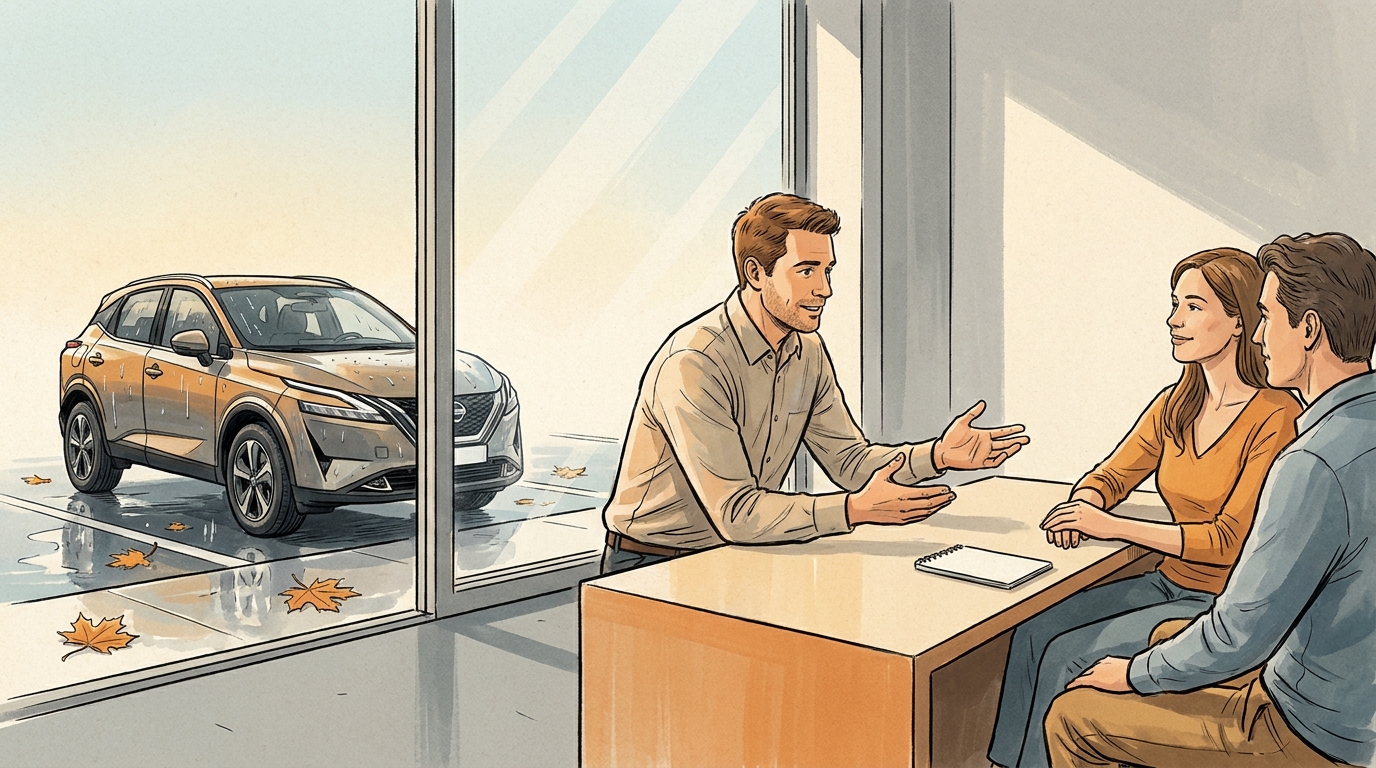
The most common car buying tips circulating online suggest aggressive tactics — walking out repeatedly, lowball anchoring, refusing to talk numbers. In practice, the buyers who get the best deals in Snohomish tend to be direct, informed, and respectful. Sales staff respond to buyers who have clearly done research and know what a fair deal looks like.
Useful phrases include: "I've seen this trim in this configuration listed locally for X — can you match or beat that?" or "I'm prepared to make a decision today if we can land at this out-the-door number." These statements communicate seriousness without hostility.
Less useful: making demands without market data to support them, or threatening to leave when there's no genuine alternative ready. Sales managers in this market know inventory across the region; bluffs rarely work.
Financing Is a Separate Negotiation
Buyers who walk in with pre-approved financing from a credit union or bank have meaningful leverage in the finance office. Dealership financing can still be competitive — sometimes more competitive, particularly when manufacturer incentives include subsidized rates — but the only way to know is to compare.
BECU, Sound Credit Union, and several other Washington-based credit unions actively serve Snohomish County and often publish their auto loan rates. Walking in with a printed pre-approval at a known rate turns financing from a black box into a benchmark. Nissan of Everett's finance team works with a number of financial institutions and banks throughout the area, and in most cases financing requires no down payment, with taxes, registration, and fees rollable into the deal. Most loan terms fall between 48 and 72 months.
Add-Ons: Where Deals Quietly Inflate
After price and financing are settled, the finance office presents protection products. Some have genuine value depending on the buyer's situation — gap insurance on a long-term loan with minimal down payment, for example, or an extended service contract on a vehicle planned to be kept past the original warranty.
Others — paint sealants, fabric protection, nitrogen tire fills — are typically marked up substantially over their underlying cost. Buyers should know going in which add-ons they're open to and which they will decline, and ask for the price of each item individually rather than as a bundled monthly figure.
Frequently Asked Questions
Is it better to negotiate by email or in person at a Snohomish dealership?
Both have a place. Email and internet department conversations are useful for getting initial out-the-door quotes from multiple dealers without pressure. In-person negotiation tends to be necessary to finalize trade-in value, since appraisers want to see the vehicle. A hybrid approach — initial pricing by email, final negotiation in person — works well in this market.
How much can buyers typically negotiate off MSRP in 2026?
It depends heavily on the model, trim, and current inventory levels. Vehicles in tight supply may sell at or near MSRP, while models with healthy inventory often have meaningful room. Manufacturer rebates and dealer incentives layered on top create additional flexibility that isn't always advertised on the sticker.
Should buyers disclose their trade-in upfront?
Generally, yes — but only after negotiating the new vehicle price independently. Hiding the trade-in until late in the conversation rarely produces a better outcome and can erode trust with sales staff. The key is keeping the two numbers separate on paper.
What about online "no-haggle" pricing?
No-haggle pricing eliminates the negotiation conversation but doesn't necessarily produce the lowest price. It's a tradeoff between time and money — valuable for buyers who hate negotiating, less valuable for those willing to put in a few hours of preparation.
Does rolling taxes and fees into financing affect the negotiation strategy?
Yes. When taxes, registration, and fees are financed rather than paid upfront, they become part of the total loan amount — which means interest accrues on them over the loan term. It's worth calculating the true cost of rolling those amounts in versus paying them at signing. Nissan of Everett's finance team can walk buyers through both scenarios so the comparison is clear before anything is signed.
Is a dealership's lifetime warranty worth factoring into a negotiation?
It can be, especially for buyers planning to keep a vehicle long-term. Nissan of Everett advertises a Lifetime Engine Warranty offer, which may reduce the urgency of purchasing a separate extended service contract in the finance office. Buyers should ask for the specific terms and conditions of any lifetime warranty so they can weigh it accurately against add-on products presented at closing.
The Bigger Picture
Strong negotiation is less about adversarial tactics and more about preparation, separation of variables, and working with a dealership that operates transparently. Reviews of Snohomish-area dealerships consistently distinguish between operations where buyers felt informed and respected versus those where they felt rushed. Nissan of Everett holds a 4.4-star rating from more than 1,000 Google reviews as of April 2026, with customers frequently highlighting professionalism and clear communication. One reviewer described staff who "listened to what we had to say, understood our goals, and met us in the middle with options that fit our needs" — exactly the dynamic informed buyers should expect.
Snohomish residents looking for a new or used Nissan, or wanting to evaluate a trade-in against a transparent out-the-door quote, can reach Nissan of Everett at https://www.nissanofeverett.com or by phone at (425) 347-5763 to start the conversation with the four-number framework already in hand.