Nissan vs Toyota Dealerships in Everett: Service and Sales Comparison
How Nissan and Toyota dealerships compare in Everett, WA on pricing, incentives, service, and resale — a buyer-focused comparison for North Puget Sound.

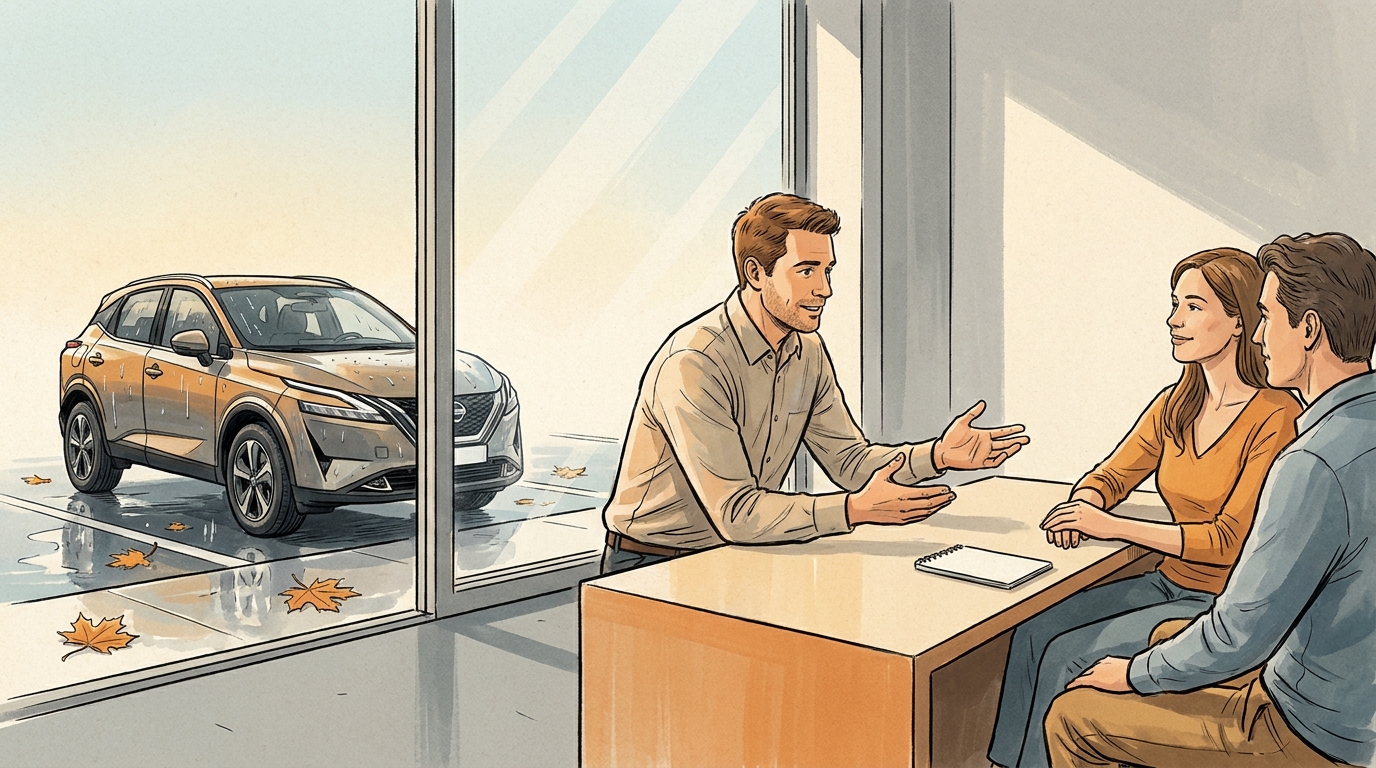
Buyers shopping the North Puget Sound corridor often arrive at the same crossroads: a Nissan dealership offering aggressive pricing and financing, or a Toyota dealership leaning on the brand's dominant market position and resale reputation. The choice isn't as simple as it looks on the surface. Everett's buyer base, regulatory environment, and geography all shape which brand makes the most sense for a given household.
This comparison breaks down how the two franchise experiences differ in Everett, WA — on pricing, incentives, service expectations, inventory dynamics, and the long-term ownership math — so buyers can make a decision grounded in their actual driving needs rather than brand reflex.
The Everett Market Context
Everett sits inside one of Washington's most competitive franchise-dealer markets. Toyota holds a commanding position statewide, and that market dominance is felt locally, with Toyota rooftops within close range of Everett serving the same customers who shop the city's dealerships. Transaction prices for Toyota's most popular nameplates — trucks, hybrid SUVs, and three-row crossovers — reflect both that demand and limited discounting at the local level.
Nissan does not hold the same statewide sales volume as Toyota. That has a real consequence at the dealer level: Nissan franchises in the region compete more heavily on price incentives and financing terms, which often translates into a more negotiable out-the-door number for buyers willing to do the comparison work.
For households commuting between Everett, the Boeing corridor, and Seattle — or weekending toward the Cascades and Puget Sound shoreline — the practical question is which dealer experience delivers the better total value across purchase, service, and resale.
Sales Pricing: What Everett Buyers Actually Pay
Transaction prices in Washington skew higher for Toyota's most popular nameplates, reflecting both demand and limited discounting. New Toyota trucks and SUVs in base-to-mid trims carry price tags that reflect the brand's strong resale narrative and consistent consumer demand. Buyers considering a 2026 Toyota Tacoma TRD Off-Road, Grand Highlander XLE, or RAV4 Prime should expect pricing well above entry-level — contact Nissan of Everett or the relevant Toyota store for current out-the-door figures, as verified pricing varies by trim and market conditions.
Nissan's pricing posture in the same segments is meaningfully different. New Nissan compact and midsize SUVs such as the Rogue and Pathfinder are more heavily incentivized than comparable Toyotas. That gap matters most for buyers who are payment-sensitive or who plan to finance, where rate buydowns and cash-on-hood incentives can shift the monthly cost more than trim-level differences do. For current Nissan pricing in Everett, contact Nissan of Everett directly at (425) 347-5763 or visit https://www.nissanofeverett.com.
On the used side, Toyota inventory commands a premium in regional markets. That resale strength is good news for current Toyota owners but a real cost for buyers entering the brand from used inventory.
Service Experience and Ownership Costs
Both Toyota and Nissan dealerships in Washington operate under the same regulatory framework: licensing and bonding through the Washington State Department of Licensing, franchise-law protections that govern how rooftops can be added, relocated, or terminated, and consumer-protection requirements covering truthful advertising, documentation-fee disclosure, and transparent presentation of optional add-ons. From a baseline-compliance standpoint, the service experience starts on level ground.
The differences show up in the details. Toyota's high statewide volume creates fast inventory turnover and a deep parts pipeline, which generally means routine service appointments are easy to schedule and recall work moves quickly. Nissan service departments — handling lower regional volume — often have more scheduling flexibility, shorter wait times for non-warranty work, and a stronger appetite for retaining customers through bundled maintenance offers. For owners who value being treated as a named customer rather than a queue number, that operational difference can matter more than brand prestige.
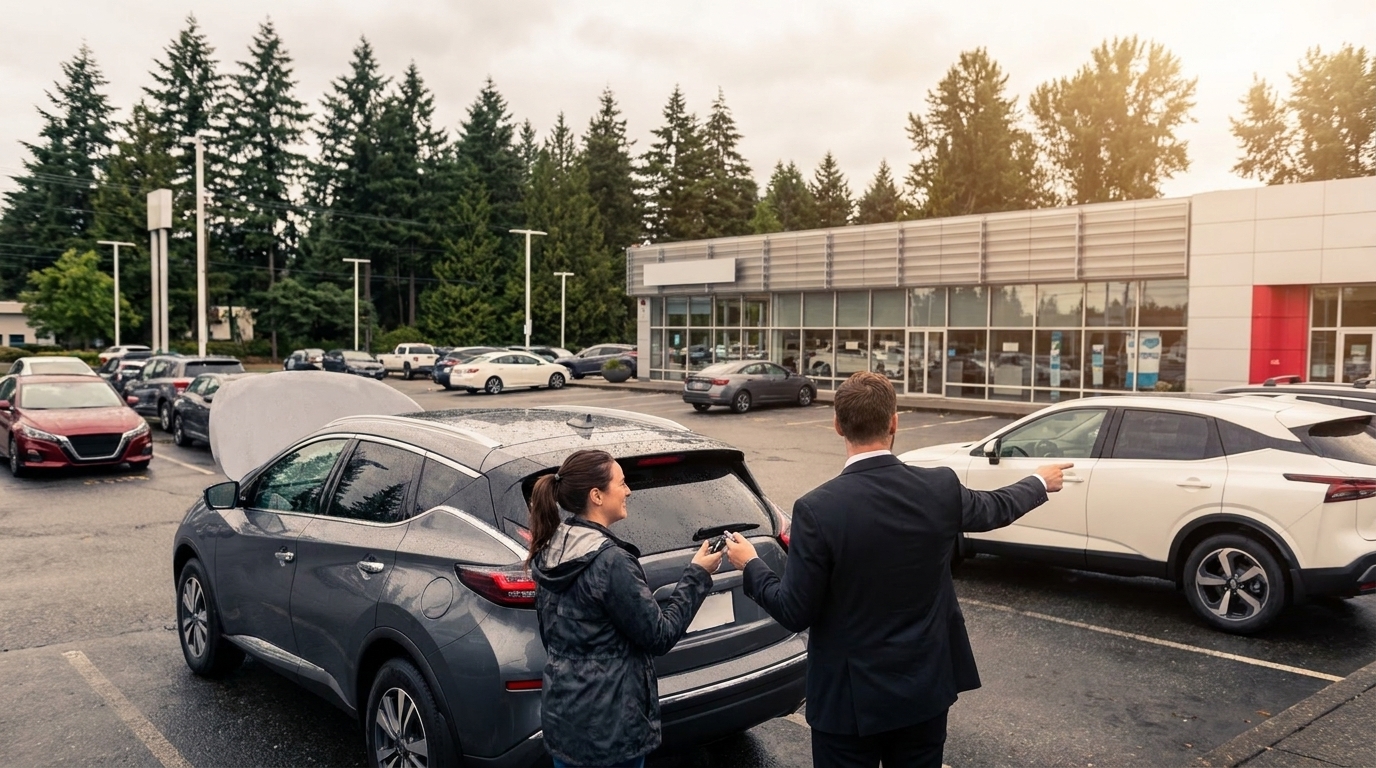
Nissan of Everett operates within this dynamic, offering the kind of attentive service posture that becomes a competitive advantage when the comparable Toyota store is running at full capacity. The dealership holds a 4.4-star rating from 1,071 Google reviews as of April 2026. Customers consistently highlight exceptional sales staff, high vehicle quality, and professional, respectful treatment. One customer wrote: "Made me feel like a king from the first encounter — absolutely nothing but pure professionalism to the highest degree." Another noted: "This was the best car shopping and buying experience I could ask for" — describing a salesperson who "listened to what we had to say, understood our goals, and met us in the middle."
Inventory and Product Fit for the North Puget Sound
Everett's geography rewards trucks and SUVs. Proximity to the Cascades, the Puget Sound shoreline, and the rural stretches of Snohomish County drives steady demand for capable vehicles — and both brands have product to offer.
Toyota's strength is breadth in this category: Tacoma, 4Runner, RAV4, Tundra, and Highlander all carry real Everett-area demand. The Tacoma's strong statewide sales position reflects how well that lineup fits the region's commuter-and-recreation buyer profile.
Nissan answers with the Rogue and Pathfinder in the SUV space, and the Frontier for buyers who want truck capability. For buyers whose use case is commuting, family hauling, and occasional trips to the mountains rather than serious off-road or towing duty, the Nissan options often deliver the same practical capability at a lower transaction price. Contact Nissan of Everett to review what's currently on the lot and what incentives apply to specific models.
Hybrids, EVs, and Washington's Clean-Car Rules
Washington participates in advanced clean-car and emissions standards, which influences incentive structures and product availability at both Toyota and Nissan stores. Toyota has a broader hybrid lineup currently represented in the local market — including plug-in hybrid options across several segments — giving it an electrified-product advantage in a regulatory environment that increasingly rewards efficiency.
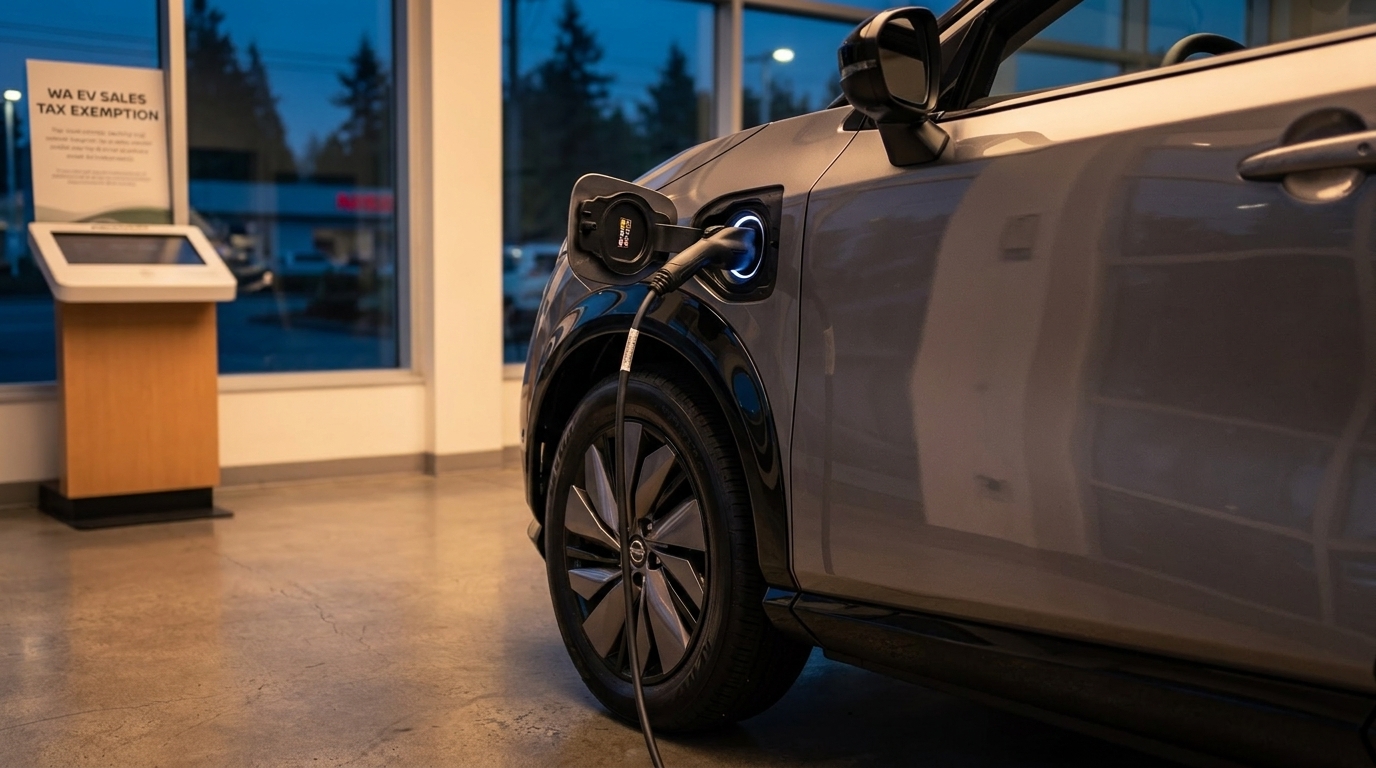
Washington legislation also opens the door to direct-to-consumer battery-electric vehicle sales from qualifying manufacturers beginning January 1, 2027, a shift that will increase competitive pressure on both franchise brands. Nissan's electrified offerings in the segment are narrower than Toyota's today, but the brand's pricing aggression often closes the gap on monthly cost even when fuel economy favors a Toyota hybrid. Buyers should run the actual multi-year total-cost math — purchase price, financing rate, fuel cost, and projected resale — rather than choosing a powertrain on label alone.
The Snohomish County Buyer Profile
Snohomish County's higher-than-national median income paired with elevated housing costs creates a split buyer profile. Some households prioritize value, lower monthly payments, and the financing flexibility that Nissan dealers tend to offer. Others prioritize the long-term reliability narrative and the resale-value cushion that Toyota's market position provides.
Neither approach is wrong. The honest answer depends on how long the buyer plans to hold the vehicle, how sensitive the household is to monthly cash flow, and whether they intend to sell privately or trade in at the same franchise later.
Taxes, Fees, and the Out-the-Door Number
Washington buyers pay state sales tax plus applicable Snohomish County local sales tax on vehicle purchases. Documentation fees must be disclosed and are subject to a state-regulated structure. On used vehicles, federal Buyers Guides are required under the FTC Used Motor Vehicle Trade Regulation Rule, along with disclosure of warranty status and major system conditions. These rules apply uniformly to Toyota and Nissan dealerships, so the out-the-door comparison comes down to vehicle price, incentives, and financing terms — not regulatory gamesmanship. For a current out-the-door breakdown on any Nissan model, contact Nissan of Everett at 10500 Highway 99, Everett, WA 98204.
Frequently Asked Questions
Is Toyota or Nissan cheaper to buy new in Everett?
Nissan models in comparable SUV segments — Rogue and Pathfinder in particular — are typically priced below Toyota equivalents and are more heavily incentivized. Buyers focused on transaction price and financing terms generally find more negotiating room at Nissan stores. Contact Nissan of Everett for current pricing on specific trims.
Does Toyota's higher resale value offset Nissan's lower purchase price?
It depends on holding period. Owners who keep vehicles 8–10 years see less benefit from resale premiums than owners who trade every 3–4 years. The multi-year total-cost math is what matters, not the sticker comparison alone.
Are service departments at Nissan and Toyota dealers regulated the same way?
Yes. Both operate under Washington State Department of Licensing oversight and the same consumer-protection rules around advertising, fee disclosure, and add-on transparency.
How do Everett dealer add-ons affect the final price at Toyota versus Nissan stores?
Dealer-added packages can meaningfully inflate the out-the-door price beyond the advertised MSRP at both franchise types, but the amounts vary by rooftop and negotiation. Verified local data indicates Toyota-area dealers can add mandatory packages that significantly increase the final price on affected units, while Nissan stores in the region tend to carry lower average add-on amounts. Always ask for a full itemized out-the-door quote before agreeing to any deal.
How will Washington's 2027 direct EV sales law affect Nissan and Toyota buyers in Everett?
Beginning January 1, 2027, qualifying battery-electric vehicle manufacturers — those that are U.S.-incorporated, have never used a franchise model, and sell only BEVs — may sell directly to Washington consumers without a traditional dealership, provided they hold a state dealer license and maintain an in-state service facility. This adds competitive pressure on both franchise brands to expand and price their electrified lineups more aggressively, but it does not affect how Nissan or Toyota franchise dealers operate today.
Making the Call
For Everett buyers who want a value-forward purchase with negotiation room, attentive service, and electrified options that pencil out on monthly cost, a Nissan dealership is the more rewarding starting point. For buyers who weight resale value above all else and don't mind paying near-full sticker, Toyota's market dominance speaks for itself.
Shoppers in Everett, WA who want a straightforward conversation about pricing, financing, and the right Nissan for their commute and Cascade weekends can contact Nissan of Everett at (425) 347-5763, visit the dealership at 10500 Highway 99, Everett, WA 98204, or review current inventory at https://www.nissanofeverett.com.
"